
Prof. Nebojša Đorđević
specialist in general surgery, endocrine surgery
Book an appointment with Prof. Nebojša ĐorđevićGeneral and abdominal surgery at Maja Hospital in Niš, at Vizantijski bulevar 39, covers consultations with a surgeon and operations on the abdominal wall and the organs inside the abdomen.
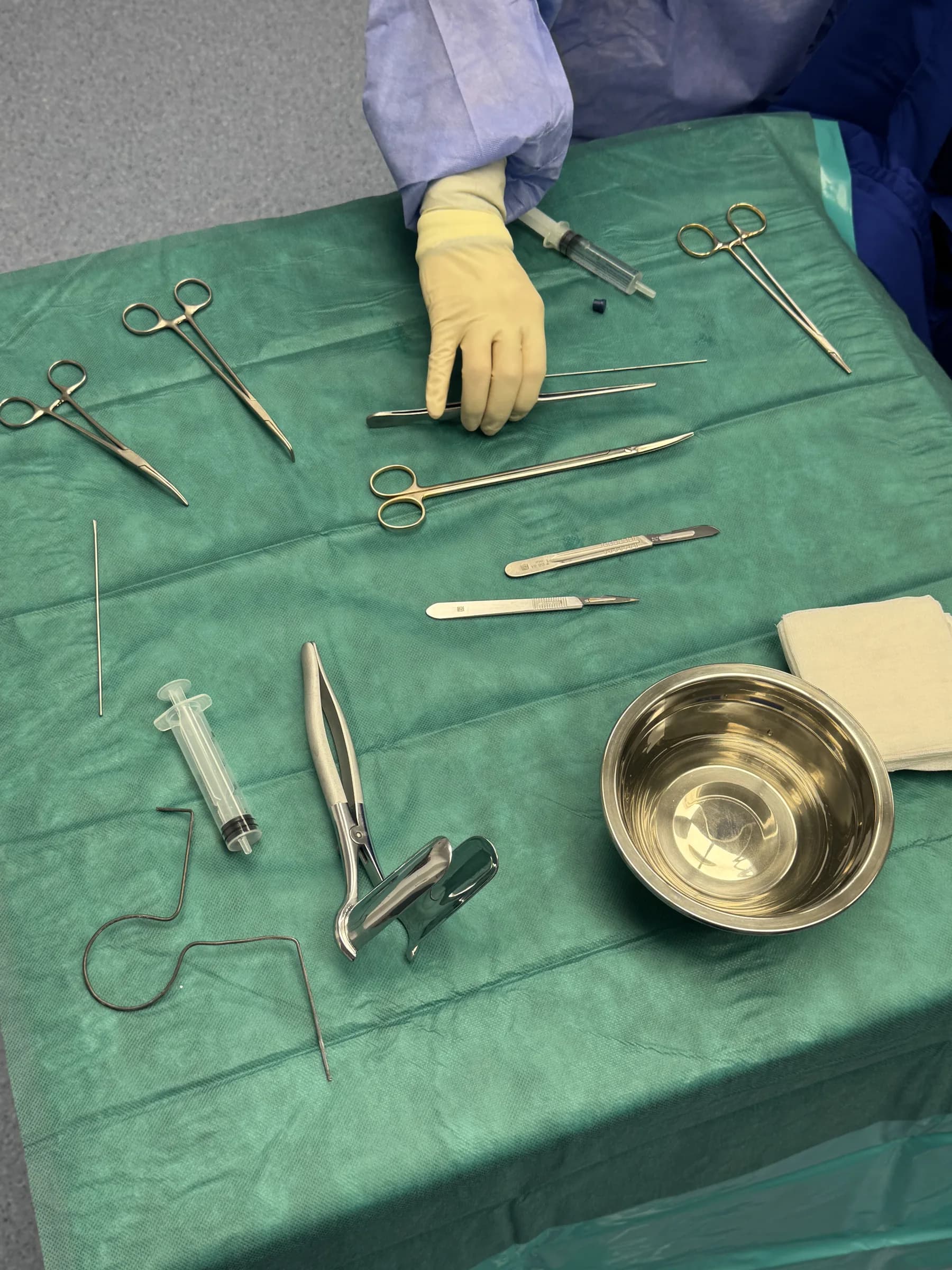
The hospital performs hernia operations and surgery on the gallbladder, appendix, large bowel, oesophagus, stomach, small intestine, liver, pancreas, spleen and adrenal gland, as well as minor procedures on the skin and the tissue just beneath it. Operations are carried out by specialists in general surgery, using open or laparoscopic techniques, under local, spinal or general anaesthetic or under sedation. The length of the hospital stay depends on the procedure and the surgeon's assessment.
Operations for inguinal (groin), umbilical, epigastric and ventral hernias, including hernias after previous operations and repeat operations. Depending on the type and size of the hernia, the procedure is done as open or laparoscopic surgery, under local anaesthetic, sedation, spinal anaesthetic or general anaesthetic.
Read more: Hernias: inguinal, umbilical, epigastric and ventral →Laparoscopic and open gallbladder removal (cholecystectomy), including complex cases, as well as operations on the bile ducts. If needed, an X-ray of the bile ducts is also taken during the operation (intraoperative cholangiography).
Read more: Gallbladder and bile ducts →Removal of the appendix by open or laparoscopic surgery, including complex laparoscopic procedures. Acute appendicitis needs urgent assessment and treatment in hospital: if you have sudden and severe abdominal pain, call an ambulance on 194 or go to the nearest emergency department.
Read more: Appendix (appendicectomy) →Resections of the colon and rectum, open or laparoscopic, operations for rectal prolapse, and creation, revision and closure of colostomies and ileostomies (a stoma is an artificial opening on the abdomen through which part of the bowel is brought out). The extent of the operation is decided by the surgeon after the examination and diagnostic tests.
Read more: Colon, rectum and stomas →Operations for hiatus (diaphragmatic) hernia, open or laparoscopic, surgery for achalasia, stomach operations and resections of the duodenum and small intestine.
Read more: Stomach, oesophagus and small intestine →Liver resections, pancreatic operations, removal of the spleen (splenectomy) and taking tissue samples from the liver and pancreas during surgery (biopsy).
Adrenal gland surgery (adrenalectomy), open or laparoscopic. Which surgeon performs the procedure and which method is appropriate is agreed after the examination and a review of your test results.
Exploratory laparoscopy with tissue sampling (biopsy), release of bowel adhesions (adhesiolysis) by laparoscopic or open surgery, complex exploration of the abdomen and pelvis, and removal of fluid that has built up in the abdominal cavity (ascites).
Removal of lipomas and sebaceous cysts, opening and draining abscesses, revision of a surgical wound and operations for hidradenitis of the buttock and perianal area. Minor procedures are done under local anaesthetic and, if needed, under sedation or general anaesthetic.
Read more: Minor surgical procedures, abscesses and hidradenitis →specialist in general surgery, endocrine surgery
Book an appointment with Prof. Nebojša Đorđević
specialist in general surgery, colorectal surgery and proctology (subspecialist in oncology)
Book an appointment with Dr Milica Nestorović
specialist in general surgery, endocrine surgery
Book an appointment with Dr Miodrag Đorđević
specialist in general surgery, hepatobiliary surgery
Book an appointment with Dr Marko Gmijović
specialist in general surgery, colorectal surgery and proctology
Book an appointment with Prim. Dr Dragoslav Miljković
specialist in general surgery, colorectal surgery and proctology
Book an appointment with Dr Dragan Mihajlović
At the first consultation the surgeon talks with you about why you have come and about any past illnesses, examines you and reviews the test results you bring.
Before the operation you will usually need laboratory tests, an ECG and, depending on the procedure, an ultrasound or other imaging.
On the day of the operation, come at the agreed time with your test results and a list of your medicines.
After the operation you stay in hospital for as many days as the surgeon considers necessary.
The first follow-up appointment after the operation is booked when you are discharged.
When you can return to work, driving and physical activity depends on the type of operation and the work you do.
At the first consultation the surgeon talks with you about why you have come and about any past illnesses, examines you and reviews the test results you bring. If an operation is needed, the surgeon explains which methods and which types of anaesthetic are options and what the preparation involves. Consultations are booked by phone.
Before the operation you will usually need laboratory tests, an ECG and, depending on the procedure, an ultrasound or other imaging. When booking, ask where you can have the tests and imaging done. At the pre-operative assessment the surgeon checks the results. If the procedure is done under sedation, spinal anaesthetic or general anaesthetic, the anaesthetist assesses which anaesthetic is suitable and tells you when to stop eating and drinking. Tell the doctor which medicines you take. Some medicines need to be stopped for a time before the operation, but only on your doctor's instructions, never on your own.
On the day of the operation, come at the agreed time with your test results and a list of your medicines. Before the procedure the surgeon explains what will be done, the possible risks and the other treatment options, and you sign a consent form for the operation. If the procedure is done under sedation, spinal anaesthetic or general anaesthetic, an anaesthetist sees you before the procedure. The operation is performed by the surgeon and their team. After the procedure you stay under observation until you have recovered from the anaesthetic. After a general anaesthetic, do not drive for at least 24 hours, and arrange for someone to take you home and stay with you; after sedation or a spinal anaesthetic, the anaesthetist will give you instructions.
After the operation you stay in hospital for as many days as the surgeon considers necessary. The number of days depends on the type of procedure, the anaesthetic and how your recovery goes. When you are discharged you receive a discharge summary with instructions on wound care, diet, activity and the date of your follow-up appointment. If after discharge you develop a high temperature or shivering, if pus is coming from the wound or the wound is red, swollen and painful, if abdominal pain gets worse or your skin or the whites of your eyes turn yellow, contact the surgeon without delay or call an ambulance on 194.
The first follow-up appointment after the operation is booked when you are discharged. At the follow-up the surgeon checks the wound and your recovery and removes the stitches when they judge that the wound is ready, unless it was closed with dissolvable stitches. If a tissue sample was taken during the operation for histopathological examination, the surgeon explains the result when it arrives. If further checks are needed, a follow-up consultation with the surgeon is booked.
When you can return to work, driving and physical activity depends on the type of operation and the work you do. After operations on the abdominal wall, patients are usually advised to avoid lifting heavy objects for a few weeks. The surgeon sets the exact timescales, and sick leave is arranged with your GP.
General and abdominal surgery deals with operations on the abdominal wall and the organs inside the abdomen. At Maja Hospital these include operations for hernias (inguinal, umbilical, epigastric and ventral), on the gallbladder and bile ducts, the appendix, the colon and the rectum. Operations are also performed for hiatus hernia and on the oesophagus, stomach, small intestine, liver, pancreas, spleen and adrenal gland. This field also includes minor procedures, such as removing lipomas and sebaceous cysts and opening abscesses. All items with prices are listed in the general surgery price list.
Open surgery is done through one longer cut (incision). Laparoscopic (keyhole) surgery is done through several small cuts, through which the surgeon passes a camera and thin instruments. For some procedures, for example appendix removal in adults, the medical literature links laparoscopy with less pain after the operation, a shorter hospital stay and a quicker return to everyday activities. Each method has its own risks, and laparoscopy is not suitable for every patient. Sometimes the surgeon switches to open surgery during the procedure if they judge this to be safer. The Maja Hospital price list includes both options for many procedures, for example for hernias, the gallbladder, the appendix and the colon. The surgeon recommends the appropriate method after examining you and reviewing your test results.
Depending on the procedure, the operation is done under local anaesthetic, sedation, spinal anaesthetic or general anaesthetic. With sedation, you are given medicines to help you relax and to relieve pain, and you breathe on your own. With a spinal anaesthetic, the medicine is injected into the lower back, so the lower part of the body temporarily feels no pain. For several hernia operations the price list shows one price for local anaesthetic and a separate price for general anaesthetic. The type of anaesthetic is proposed by the surgeon and the anaesthetist after the examination and tests, and the decision is made with your consent. The length of the hospital stay depends on the type of operation, the anaesthetic and how your recovery goes, and it is decided by the surgeon.
A consultation with a surgeon is most often booked on the recommendation of your GP or a specialist, to assess test results (for example an ultrasound or a scan), for a second opinion or before a planned operation. At the consultation the surgeon asks about your health, examines you and reviews the results you bring. If further tests or imaging are needed, the surgeon refers you to the laboratory or to radiology. After the consultation you receive a recommendation for further treatment and, if an operation is needed, a preparation plan. Booking by phone is for conditions that are not urgent. Sudden and severe abdominal pain, pain in the area of a hernia with nausea or vomiting, a high temperature with shivering, or yellowing of the skin and the whites of the eyes need urgent medical attention: call an ambulance on 194 or go to the nearest emergency department.
A consultation with a surgeon at Maja Hospital, Vizantijski bulevar 39 in Niš, is booked by phone. If you pay for the consultation yourself, a referral from your GP is usually not needed; if an insurance company pays, check with them whether a referral is required. Bring your results, scans and a list of your medicines. The price of a surgical consultation is in the general surgery price list.
After inguinal hernia surgery, patients usually return to light everyday activities after one to two weeks, and recovery usually takes four to six weeks, sometimes longer. Lifting heavy objects and strenuous physical effort are usually avoided for four to six weeks, so people with physically demanding jobs return to work later. Exact advice depends on the method, the size of the hernia and the work you do, and is given by the surgeon.
This depends on the type and size of the hernia and on the patient's health. The Maja Hospital price list includes inguinal hernia surgery under local or general anaesthetic, and repeat inguinal hernia surgery also under local anaesthetic with sedation or under spinal anaesthetic. Umbilical hernia surgery is listed under local anaesthetic, and umbilical or epigastric hernia surgery under sedation or general anaesthetic. Laparoscopic hernia surgery is usually done under general anaesthetic. The final decision is made by the surgeon and the anaesthetist after the examination, with your consent.
The price depends on the method and the type of anaesthetic. The price list has separate items for inguinal hernia surgery on one side under local and under general anaesthetic, laparoscopic surgery on one side or both sides, complex (inguinoscrotal) hernia and repeat surgery. The price of laparoscopic surgery is on request. The exact amounts are in the price table in the Hernias group on this page, and the consultation with the surgeon, a day in hospital and follow-up appointments are listed as separate items.
In general surgical practice, the stay after uncomplicated laparoscopic gallbladder removal is usually short: many patients go home the same day or the next day. If the operation was more complex or recovery is slower, the stay may be longer. At Maja Hospital the length of stay is decided by the surgeon, depending on how the operation and recovery go.
After gallbladder surgery, patients can usually eat and drink again soon. In the first days it is easier to eat smaller meals, and a normal, healthy diet is recommended. Some patients have nausea, indigestion or diarrhoea at first, which usually ease soon after the operation. If the symptoms do not go away, contact the surgeon or your GP. You will receive detailed instructions when you are discharged.
A hernia can come back. After inguinal hernia surgery with mesh this is rare, but it is more common with hernias after previous abdominal operations, especially large ones. The risk depends on the type and size of the hernia, the surgical method and your general health, and smoking increases it. The surgeon gives advice on activity and physical effort after the operation. The Maja Hospital price list also includes repeat inguinal hernia surgery (reoperation).
Fasting instructions are given by the anaesthetist at the pre-operative assessment and must be followed exactly, because they depend on the type of anaesthetic and your health. Solid food is usually not taken for six to eight hours before the procedure. The limit for water and other clear fluids is usually shorter, and the anaesthetist will tell you how long before the procedure you may drink. If you take regular medicines, ask the doctor whether and when you can take them that morning.
Maja Hospital is a private healthcare institution and consultations are booked directly by phone. For a consultation at a private institution that you pay for yourself, a referral from your GP is usually not needed. If the consultation or operation is paid for by an insurance company, check with your insurer whether a referral or authorisation is needed. If you have a referral, test results or another doctor's opinion, bring them to the consultation, as they help the surgeon assess your condition.
Yes. Maja Hospital works with several insurance companies, so a voluntary health insurance policy can be used at the hospital. What is covered (consultation, operation, days in hospital) depends on the terms of your policy. Before booking, check your cover with your insurer or at the hospital reception.
In the general surgery price list, the consultation with the surgeon, the pre-operative assessment, a day in hospital, the first post-operative follow-up, the follow-up consultation and stitch removal are listed as separate items. What exactly the price of a particular operation includes, for example the anaesthetic, materials and the number of days in hospital, is explained after the consultation with the surgeon. For procedures marked “On request”, check the price by phone.
Procedures
Laparoscopic gallbladder removal
Read more →
Procedures
Minor surgical procedures
Read more →
Procedures
Hernia surgery
Read more →
Procedures
Inguinal hernia repair
Read more →
Procedures
Umbilical and epigastric hernia surgery
Read more →
Procedures
Appendix removal
Read more →
Procedures
Ventral hernia surgery
Read more →

Advice
Voluntary health insurance: what it covers and how to use it in Niš
Advice
Laparoscopic or open surgery: how the surgeon chooses the method
Advice
Abscess, ingrown toenail or a cut: when to see a surgeon

Advice
Appendix removal surgery: how long it takes, what recovery involves and returning to work

Advice
Recovery after inguinal hernia repair: what is normal and when to return to work

Advice
After gallbladder removal: diet, bowel movements and recovery step by step
The information in this text is general in nature and does not replace an examination by a doctor.
Information on this website does not replace a medical examination. Treatment is decided by a doctor after the examination.