
Prof. Aleksandra Petrić
specialist in obstetrics and gynaecology, oncology (subspecialty training, Faculty of Medicine, University of Niš, 2012)
Book an appointment with Prof. Aleksandra PetrićGynaecology at Maja Hospital in Niš, at Vizantijski bulevar 39, covers gynaecological procedures and examinations.
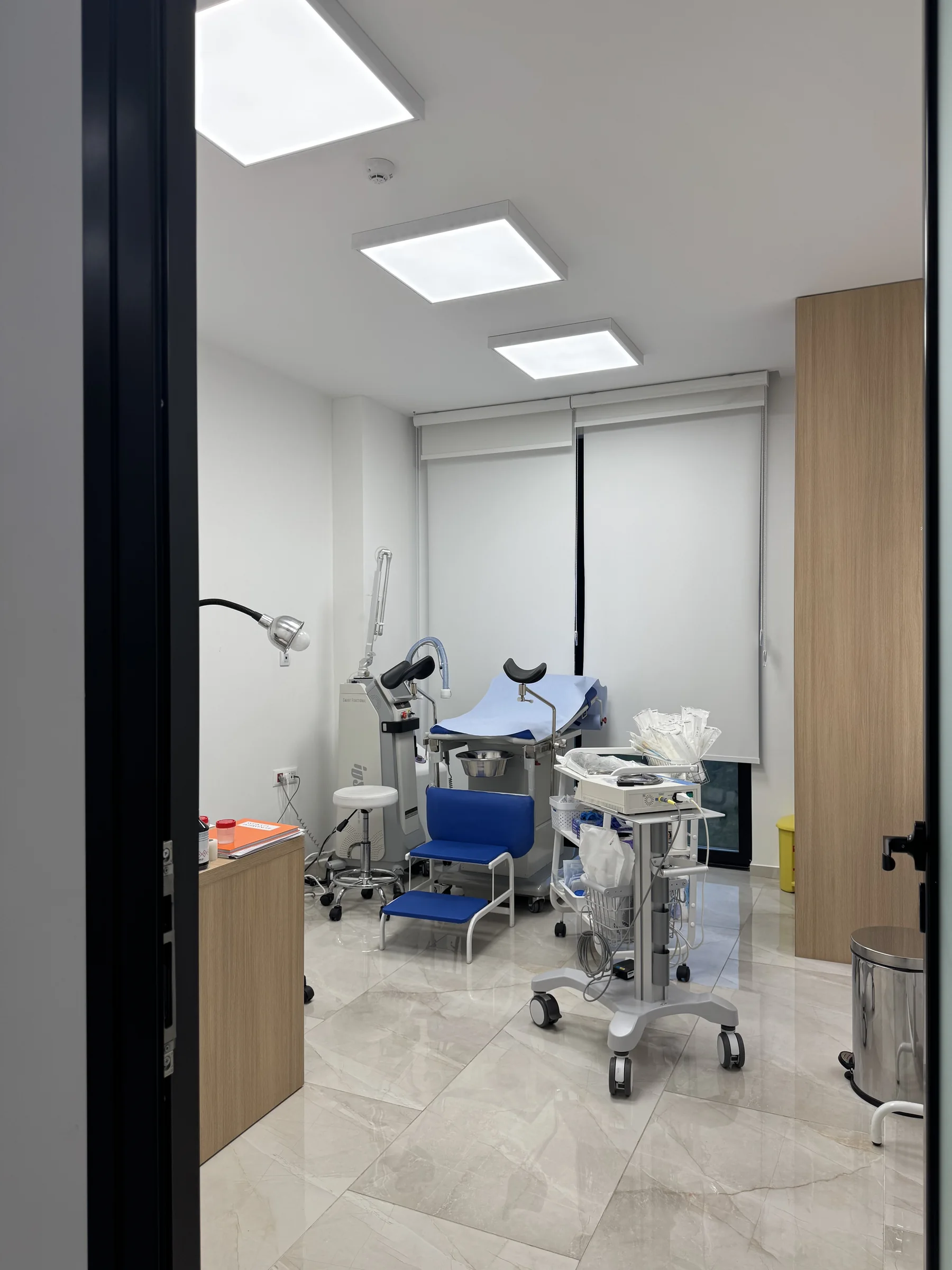
The hospital performs biopsy, loop excision (LLETZ) and cone biopsy of the cervix, curettage (D&C), removal of polyps and genital warts, Bartholin's gland operations and anterior and posterior vaginal repair, as well as gynaecological examinations, Pap smears, colposcopy, ultrasound scans and pregnancy monitoring. Procedures and examinations are carried out by specialists in obstetrics and gynaecology. Prices are in the gynaecology price list, and appointments are booked by phone.
Procedures done when an examination, Pap smear or colposcopy shows changes in the cervix. The doctor takes a tissue sample (biopsy, curettage of the cervical canal) or removes the abnormal tissue: with a laser (laser vaporisation), with a thin electrical wire loop (loop excision) or by cone biopsy (conisation). The choice depends on the results and the doctor's assessment.
Diagnostic curettage (taking a sample of the womb lining for diagnosis), curettage, surgical evacuation of the uterus (clearing the womb, for example after an incomplete miscarriage) and polyp removal (polypectomy), with or without curettage of the cervical canal. The tissue sample is usually sent for histopathological analysis.
Removal of genital warts (condylomata, caused by HPV) from a smaller or larger area, with pain relief (analgesia) when needed. Genital warts can come back after removal, so the gynaecologist sets the follow-up appointments. Incision (opening and draining) or excision (removal) of the Bartholin's gland, and biopsy of an abnormal area on the vulva or perineum.
Read more: Genital warts, Bartholin's gland and vulval biopsy →Operations to strengthen the front wall of the vagina, when the vaginal wall and the bladder have dropped (anterior colporrhaphy), or the back wall, when the vaginal wall and the last part of the bowel have dropped (posterior repair). They are done under anaesthetic, and the type of anaesthetic and the length of the hospital stay are decided by the gynaecologist and the anaesthetist.
Analysis of tissue taken during a procedure: biopsies of the cervix, endometrium, vulva and vagina, material obtained by curettage, polyps, loop biopsies and cones. It is listed in the price list as a separate item, according to the type and number of samples, and some items are labelled “Histopathology”. The gynaecologist will tell you before the procedure whether the analysis is already included in the price of your procedure.
Gynaecological and follow-up examinations, the annual well-woman check-up, Pap smears and colposcopy. Colposcopy is an examination of the cervix under magnification. It is usually done when a Pap smear or HPV test shows changes, and the gynaecologist may also do it during a routine examination if they consider it necessary.
Pelvic ultrasound, gynaecological examination with ultrasound, Doppler ultrasound and follicle tracking (folliculometry). Follicle tracking is ultrasound monitoring of follicle growth and ovulation during the cycle and is usually done over several appointments. A Doppler scan can be a gynaecological scan or a pregnancy scan, and the type of scan is decided by the gynaecologist.
Pregnancy ultrasound, expert ultrasound, 4D ultrasound and CTG, also called KTG (cardiotocography, monitoring the baby's heart rate and the contractions of the womb). An expert ultrasound is a detailed ultrasound scan of the baby's development, at a stage of pregnancy set by the gynaecologist. The price list also includes amniotic fluid sampling. It is done only when there is a medical reason for it, and the gynaecologist explains the type of procedure, the reason and the possible risks before a decision is made. A cervical cerclage is a stitch around the cervix that helps it stay closed, placed when the doctor considers it necessary. It is usually removed at around 36 or 37 weeks of pregnancy, or earlier if labour starts.
Fitting and removal of an IUD (coil), insertion of a vaginal ring, removal of stitches after a procedure and vaginal irrigation. According to a note in the price list, the device itself is not included in the price of IUD fitting, so check the price of the IUD when booking.
specialist in obstetrics and gynaecology, oncology (subspecialty training, Faculty of Medicine, University of Niš, 2012)
Book an appointment with Prof. Aleksandra Petrić
specialist in obstetrics and gynaecology, obstetrics and gynaecology (academic field at the Faculty of Medicine, University of Niš)
Book an appointment with Dr Marko Stanojević
specialist in obstetrics and gynaecology, perinatology (subspecialist in perinatology)
Book an appointment with Dr Snežana Stamenović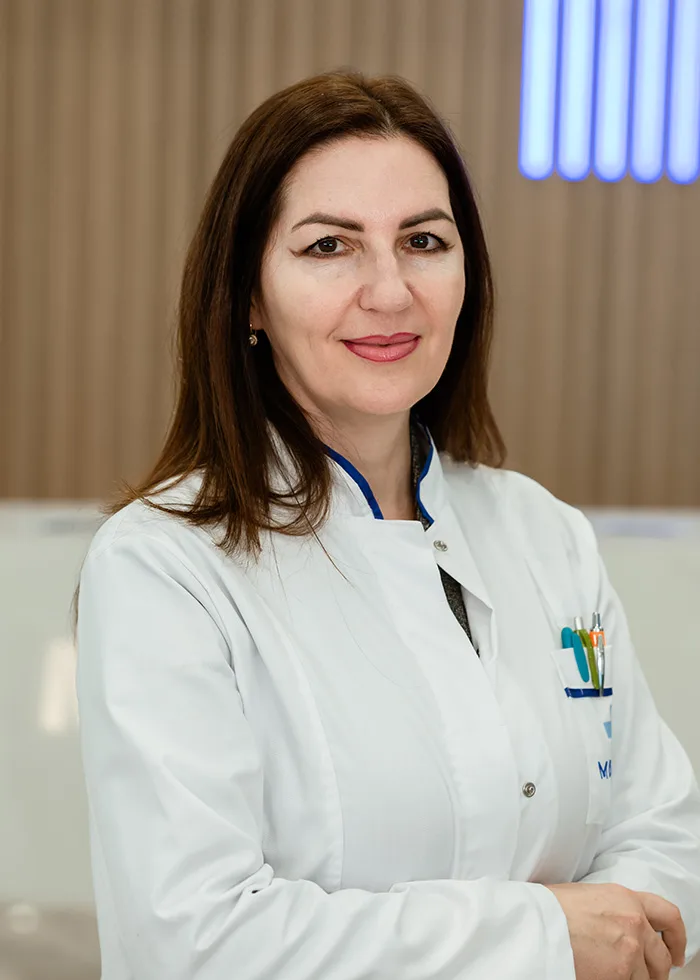

specialist in obstetrics and gynaecology, gynaecological oncology (subspecialty)
Book an appointment with Dr Radmila Ignjatović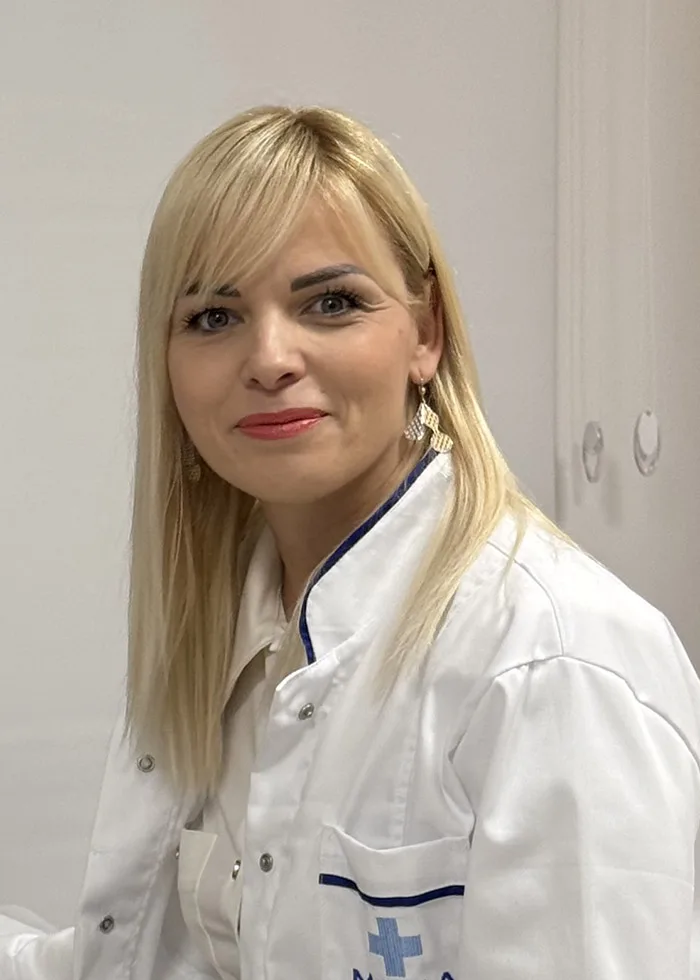
specialist in obstetrics and gynaecology
Book an appointment with Dr Ljubica Stanojević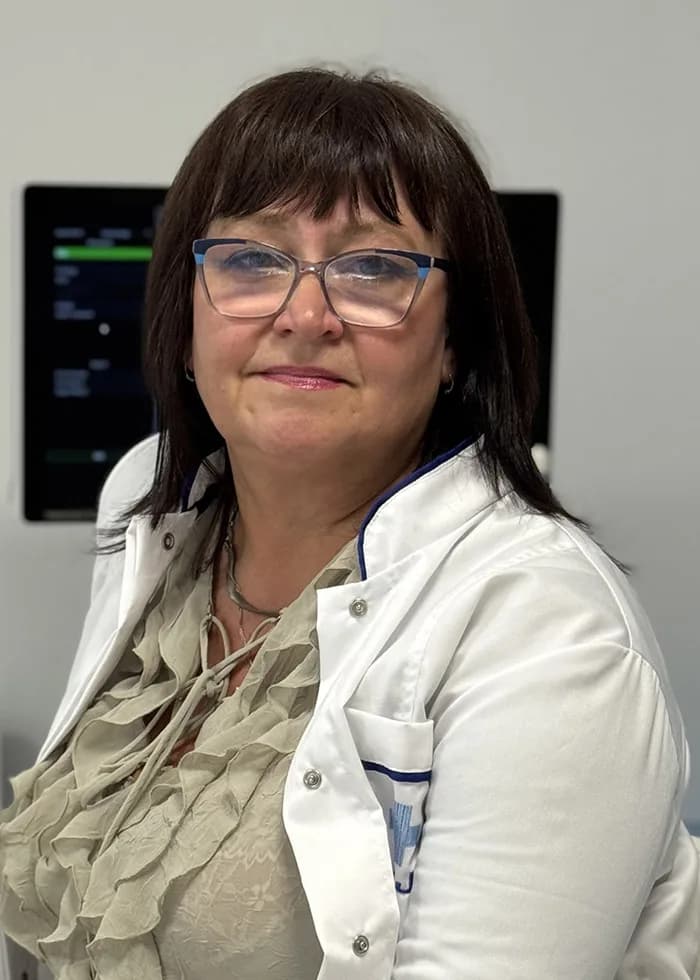
specialist in obstetrics and gynaecology, monitoring of uncomplicated and high-risk pregnancies
Book an appointment with Dr Irina PešićAppointments are booked by phone.
The gynaecologist asks you about your cycle, pregnancies, medication and previous results.
When a procedure is needed, the gynaecologist explains how it is done, which anaesthetic is planned and what recovery involves.
Arrive at the agreed time, following the preparation instructions.
At the follow-up appointment the gynaecologist checks how you are healing, removes any stitches and interprets the histopathology result when it arrives.
Appointments are booked by phone. When booking, say which service you need and give the first day of your last period, because some examinations and procedures are planned according to your cycle. If you have previous test results, have them ready for the examination.
The gynaecologist asks you about your cycle, pregnancies, medication and previous results. This is followed by the examination and, if needed, an ultrasound scan, Pap smear or colposcopy. At the end, the doctor explains the findings and suggests the next steps.
When a procedure is needed, the gynaecologist explains how it is done, which anaesthetic is planned and what recovery involves. The doctor tells you which tests you need and how to prepare. Before the procedure you sign a written consent form.
Arrive at the agreed time, following the preparation instructions. For procedures under anaesthetic, you first speak to the anaesthetist. After the procedure you stay under observation until the doctor decides you can go home. The doctor explains what to expect during recovery and when to get in touch before your scheduled follow-up: if you have bleeding heavier than a period, a temperature above 38 °C, severe pain that does not go away or foul-smelling discharge. Outside opening hours, contact the on-call gynaecology service or the emergency medical service (194).
At the follow-up appointment the gynaecologist checks how you are healing, removes any stitches and interprets the histopathology result when it arrives. You then agree on the next appointment and, if needed, further treatment.
Gynaecology at Maja Hospital has two parts. The first part covers gynaecological procedures: biopsy, laser vaporisation, loop excision (LLETZ) and cone biopsy of the cervix, curettage (D&C), removal of polyps and genital warts, Bartholin's gland operations and anterior and posterior vaginal repair. The second part covers examinations: gynaecological and preventive check-ups, Pap smears, colposcopy, pelvic ultrasound, follicle tracking (folliculometry) and pregnancy monitoring. Whether a procedure is done on an outpatient basis or with a stay in hospital, and under which type of anaesthetic, depends on the type of procedure and is decided by the gynaecologist and the anaesthetist. Examinations and procedures are carried out by specialists in obstetrics and gynaecology.
A preventive gynaecological check-up is usually recommended once a year, even when you have no symptoms at all. An examination is also advisable before planning a pregnancy, before choosing contraception, during pregnancy and after giving birth. A Pap smear, and an HPV test if the doctor considers it appropriate, are done at intervals set by the gynaecologist according to your age and previous results. The gynaecologist usually suggests colposcopy when a Pap smear or HPV test shows changes, or when they want to examine the cervix in more detail. When previous results have shown changes, the doctor usually suggests more frequent check-ups.
The decision to have a procedure usually follows an examination, Pap smear, colposcopy or ultrasound scan. Some procedures are used to make a diagnosis, for example a biopsy or diagnostic curettage. Others treat the problem and provide a sample for analysis at the same time, for example polyp removal, loop excision or cone biopsy of the cervix. The gynaecologist explains why the procedure is being suggested, how it is done, which anaesthetic is planned and what to expect afterwards. Before the procedure, the patient signs a written consent form.
Tissue taken during a biopsy, curettage, cone biopsy, loop excision or polyp removal is usually sent for histopathological analysis. Examination under a microscope shows what kind of change it is. In the gynaecology price list, some procedures are marked “excluding histopathology”, and sample analyses are listed as separate items (some labelled “Histopathology”), according to the type and number of samples. Before the procedure, the gynaecologist tells you whether the analysis is included in the price and how much extra it costs. The gynaecologist interprets the result at the follow-up appointment and agrees the next steps with you.
The prices of a gynaecological examination, a follow-up gynaecological examination, an examination with ultrasound and an examination with colposcopy are published in the Maja Hospital gynaecology price list and shown on this page, in the groups for gynaecological examinations and gynaecological ultrasound. A Pap smear, follicle tracking and other tests are separate items in the price list, and the gynaecologist recommends which tests are needed.
The price of a cone biopsy of the cervix at Maja Hospital is in the gynaecology price list and is shown on this page, in the cervical procedures group, together with the prices of biopsy and loop excision. Histopathological analysis of the cone is a separate item in the price list. What the price of the procedure includes, for example anaesthetic, hospital stay and tissue analysis, is explained by the gynaecologist at the examination, before the procedure is booked.
For an examination you pay for yourself, a referral is usually not needed. If you use voluntary (private) health insurance, check with your insurer before booking whether a referral or approval is needed for a gynaecological examination or procedure.
How often you have a Pap smear is decided by the gynaecologist, based on your age and previous results. Serbia's national programme for the early detection of cervical cancer provides for a Pap smear every three years for women aged 25 to 64 whose previous results have been normal. The gynaecologist may also advise more frequent tests, and an HPV test can be done alongside the Pap smear. After abnormal results or treatment of the cervix, check-ups are more frequent. The test is done when you are not on your period.
Colposcopy is an examination of the cervix under magnification, using an optical instrument (a colposcope) that stays outside the body and is not inserted into the vagina. Only a speculum is inserted, as in a routine examination. It usually causes discomfort similar to a gynaecological examination, and the solution the doctor applies to the cervix may sting briefly. The examination usually takes 10 to 20 minutes. If the doctor takes a small tissue sample (biopsy), you may feel a brief cramp or pinch, and for a few days afterwards there may be light bleeding or darker discharge.
A cone biopsy (conisation) is a procedure that removes a cone-shaped part of the cervix when colposcopy and biopsy show a change that needs to be removed and examined in detail. Depending on the method and the doctor's assessment, it is done under local or general anaesthetic. After the procedure there is usually discharge and light bleeding, which can last for several weeks, and the bleeding may briefly become heavier around the second week. The doctor advises how long to avoid strenuous activity, baths, tampons and sex, usually around four weeks. Bleeding heavier than a period, a temperature or foul-smelling discharge are reasons to contact the doctor sooner. If you are planning a pregnancy, tell the gynaecologist before the procedure, because a cone biopsy can affect future pregnancies. A follow-up with a Pap smear or HPV test usually takes place after a few months.
The Bartholin's glands are located on both sides of the vaginal opening. When the gland's duct becomes blocked, a cyst can form, and when the cyst becomes infected, an abscess. A small cyst that causes no symptoms often needs no treatment, only monitoring. For an abscess or a larger cyst, the doctor usually suggests an incision, which drains the contents. When a cyst keeps coming back, the gynaecologist may suggest a different procedure, and one of the options is excision, which removes the gland. Excision is a bigger procedure and is done under anaesthetic. Recovery usually takes from a few days to a few weeks, depending on the type of procedure.
Curettage is usually done under a short intravenous anaesthetic, so the patient is asleep during the procedure. The type of anaesthetic is decided by the gynaecologist and the anaesthetist after the examination and tests. After the procedure the patient stays under observation until she has recovered from the anaesthetic. Light bleeding and period-like pain usually last a few days, sometimes up to two weeks. Bleeding heavier than a period, a temperature or foul-smelling discharge are reasons to contact the doctor before the follow-up. The tissue sample is usually sent for histopathological analysis.
An IUD is usually fitted during a period or just after it, but it can also be fitted on other days of the cycle when the doctor judges that pregnancy is not possible. Before fitting, the gynaecologist carries out an examination and, if needed, an ultrasound scan and swabs. The procedure itself takes a few minutes, and for a few days afterwards there may be cramps and light bleeding. According to a note in the Maja Hospital price list, the device is not included in the price of fitting, so when booking, check the price of the IUD and whether you need to obtain it yourself. You choose the type of IUD together with the gynaecologist, and the first check-up is usually booked after your next period.
Colporrhaphy is an operation that strengthens the front or back wall of the vagina when it has dropped (prolapsed). Anterior repair is usually done when the bladder has dropped together with the vaginal wall, and posterior repair when the last part of the bowel has dropped. For milder prolapse, the gynaecologist may first suggest pelvic floor exercises or a pessary (a ring placed in the vagina to support the organs). The operation is done under anaesthetic, the type of which is decided by the gynaecologist and the anaesthetist. The length of the hospital stay and the course of recovery are explained by the gynaecologist at the examination, according to the findings and the type of operation.
The time it takes to get a histopathology result depends on the type and number of samples and on the laboratory doing the analysis. At the time of the procedure, the gynaecologist tells you when to expect the result and books a follow-up appointment at which it is interpreted. Histopathological analysis has separate items in the gynaecology price list, and the gynaecologist tells you before the procedure whether it is included in the price of the procedure.
Advice
Pregnancy tests and examinations at Maja Hospital

Advice
Cone biopsy of the cervix: the procedure, recovery, bleeding and follow-up
The information in this text is general in nature and does not replace an examination by a doctor.
Information on this website does not replace a medical examination. Treatment is decided by a doctor after the examination.