Hernia surgery (hernia repair) in Niš
A hernia is a bulge through a weak spot in the abdominal wall and does not go away on its own in adults. The surgeon decides which operation is suitable after a consultation.
At a glance
- Types of hernia
- Inguinal, umbilical, ventraland epigastric and hiatus hernia
- Method
- Open or laparoscopicas assessed by the surgeon
- Anaesthetic
- Local or generalfor some hernias sedation or spinal
- Wall repair
- usually With meshmedical term: hernioplasty
Note: The information is general. For each patient the surgeon decides after a consultation.
Facts and description
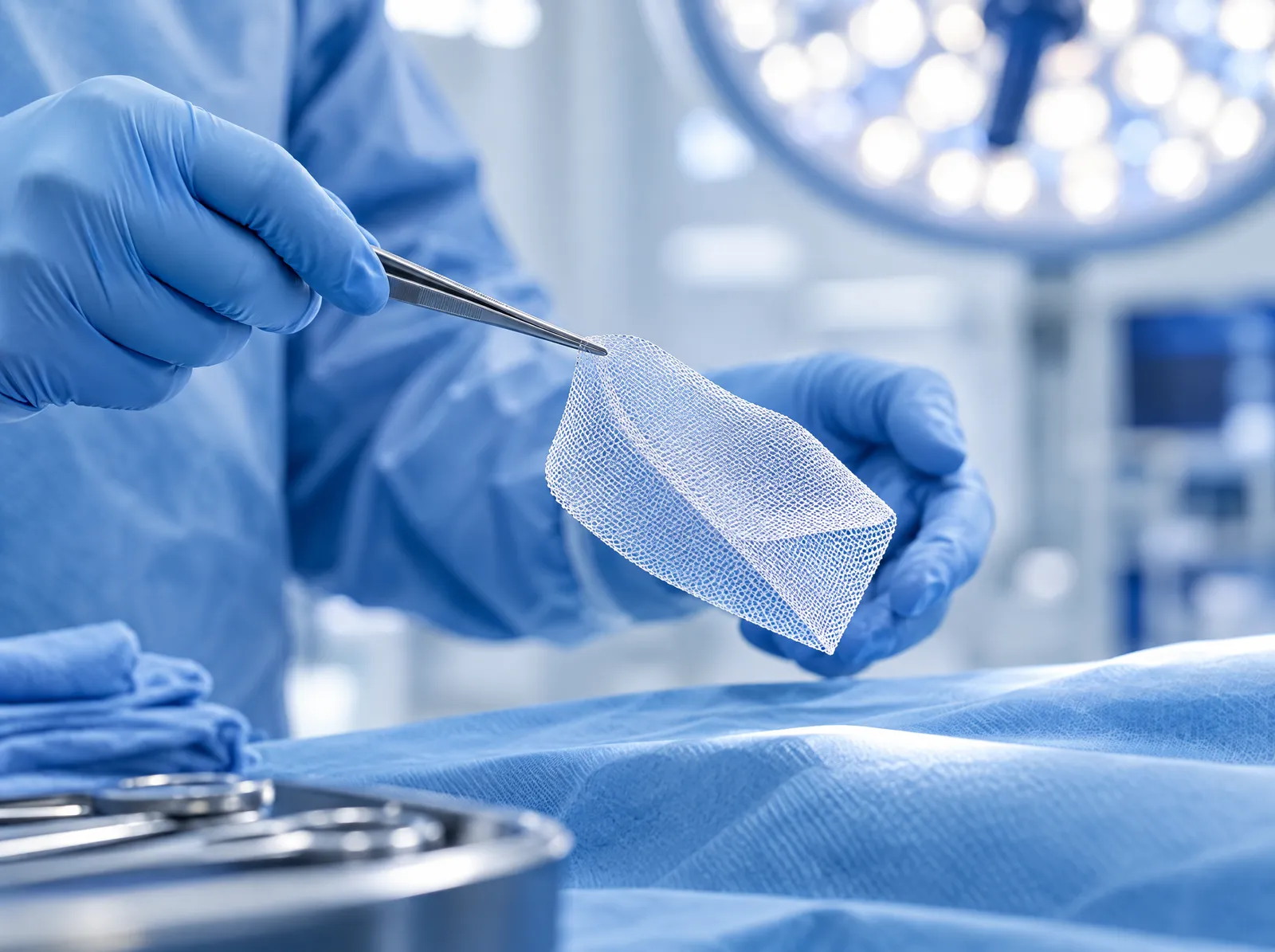
Hernia surgery (hernioplasty) is a procedure in which the surgeon returns the contents of the hernia to their place and strengthens the weakened part of the abdominal wall, usually with mesh. At Maja Hospital, Vizantijski bulevar 39 in Niš, inguinal, umbilical, epigastric, ventral (incisional) and hiatus hernias are operated on, open or laparoscopically. The surgeon decides on the type of operation and anaesthetic after a consultation.
All facts
- Procedure
- Returning the hernia contents and strengthening the abdominal wall, usually with mesh (hernioplasty)
- Types of hernia
- Inguinal, umbilical, epigastric, ventral and incisional hernia, as well as hiatus hernia
- Methods
- Open or laparoscopic surgery, depending on the type and size of the hernia and the surgeon's assessment
- Anaesthetic
- Local or general, and for some hernias sedation or spinal anaesthetic. The surgeon and anaesthetist decide on the type.
- Hospital stay
- Depends on the type of hernia, method and anaesthetic. The surgeon decides on the length of stay.
- Price
- Depends on the type of hernia, method and anaesthetic. The items are in the price table on this page; some laparoscopic operations are priced on request.
When the operation is usually recommended
- The hernia causes symptoms or pain
- The hernia grows over time
- The hernia makes work and daily activities harder
- The hernia has come back after a previous operation
Can it be treated without surgery?
- In adults a hernia does not go away on its own
- A hernia belt eases symptoms but does not close the gap in the wall
- For a small hernia without symptoms the surgeon sometimes suggests monitoring
The path to the operation
Step 1: Surgical consultation
The surgeon examines you and your results and explains whether an operation is needed and which method may be used.
Step 2: Tests and preparation
Tests are done before the operation; with spinal or general anaesthesia you are also seen by an anaesthetist.
Step 3: Admission and consent
The surgeon explains the procedure and possible risks once more, and you sign a consent form.
Step 4: Operation
The surgeon and the team carry out the procedure, under the anaesthetic agreed by the surgeon and the anaesthetist.
Step 5: Monitoring and discharge
You are monitored after the procedure; the surgeon decides on the length of stay and the follow-up date.
Hernia surgery: prices
Types of hernia at a glance
| Type of hernia | Where it appears | Price list items |
|---|---|---|
| Inguinal | In the groin | Local or general anaesthetic, laparoscopic, complex and repeat surgery |
| Umbilical and epigastric | At the navel and above it, in the middle of the abdomen | Local anaesthetic, sedation or general anaesthetic |
| Ventral and incisional | On the front abdominal wall, often in a scar | Small, medium and large hernia, laparoscopic |
| Hiatus | At the diaphragm, inside the body | Open and laparoscopic surgery |
The surgeon tells you which price list item applies to you after a consultation.
Recovery
- Pain and discomfort around the wound are expected in the first days. The surgeon prescribes pain relief.
- Walking is encouraged from the first days, and daily activities are resumed gradually.
- Keep the wound clean and dry. The surgeon will tell you when you can shower, and when you can take a bath or swim.
- Stitches, unless they are dissolvable, are removed at the follow-up appointment.
- With severe abdominal pain, difficulty breathing or chest pain, call the emergency service on 194 or go to the nearest emergency department.
Show 3 more: Recovery
- Lifting and heavy physical effort are avoided for as long as the surgeon advises.
- After a general anaesthetic, do not drive for at least 24 hours and have someone with you for the first 24 hours.
- Contact the surgeon if you develop a temperature of 38 °C or higher, redness, pus or heavier bleeding from the wound, pain that gets worse, or nausea and vomiting that do not stop.
How to prepare
- Have the tests that the surgeon and anaesthetist ask for, usually a blood count, biochemistry, clotting tests and an ECG.
- Tell the doctor about allergies and medicines, and do not change blood thinners or diabetes medicines on your own.
- Do not eat or drink before the operation, exactly as instructed by the hospital.
- Stop smoking as early as possible before the operation.
Show 2 more: How to prepare
- Bring your ID card, health insurance card, results, a list of medicines and loose, comfortable clothes.
- Arrange for someone to accompany you and to help at home for the first days after the operation.
When to contact the surgeon or the emergency service
Call the emergency service (194) or go to an emergency department straight away if:
- Sudden, severe abdominal pain
- A hernia becomes hard, painful or tender and does not go back
- Pain with nausea, vomiting, a swollen abdomen and no wind or stools
- High temperature with shivering
Contact the surgeon if after the operation you have:
- A temperature of 38 °C or higher, or shivering
- Redness, warmth, swelling or pus at the wound, or heavier bleeding
- Pain that gets worse instead of better
- Nausea or vomiting that do not stop
- Pain and swelling in the calf
In detail
What is a hernia and why is it operated on?
A hernia forms when part of the contents of the abdominal cavity, usually fatty tissue or part of the bowel, passes through a weak spot in the abdominal wall. It is usually seen as a soft bulge that gets bigger when standing, coughing or straining, and smaller when lying down.
In adults a hernia does not go away on its own. A hernia belt can ease symptoms but does not close the gap in the wall. During the operation the surgeon returns the hernia contents and strengthens the weak part of the wall, usually with mesh. The medical term is hernioplasty.
A hiatus hernia is a special kind of hernia: it forms at the diaphragm, inside the body, and cannot be seen from the outside.
Types of hernia operated on at Maja Hospital
The Maja Hospital general surgery price list includes items for the following types of hernia, each with its own page:
- Inguinal hernia, in the groin: under local or general anaesthetic, laparoscopic surgery, complex (inguinoscrotal) hernia and repeat surgery.
- Umbilical and epigastric hernia, at the navel and in the middle of the abdomen above it: under local anaesthetic, sedation or general anaesthetic.
- Ventral hernia, including incisional hernia in the scar of a previous operation: small, medium and large hernia and laparoscopic surgery.
- Hiatus hernia, at the diaphragm: open and laparoscopic surgery. It belongs to gastrointestinal surgery.
Open or laparoscopic hernia surgery?
Open surgery is done through a cut over the hernia. Laparoscopic surgery is done through several small cuts, through which the surgeon inserts a camera and thin instruments. Each method has its benefits and risks, and laparoscopy is not suitable for every patient. Sometimes the surgeon switches to open surgery during the procedure if that is safer. The surgeon suggests the method after a consultation and a review of the results.
When is a hernia an emergency?
Urgent assessment is needed if a hernia becomes hard, painful or tender and cannot be pushed back, if the skin over it turns red or dark, or if it is accompanied by sudden severe abdominal pain, nausea, vomiting and a swollen abdomen without wind or stools. Do not wait for a booked appointment: call the emergency service on 194 or go to the nearest emergency department.
Frequently asked questions
How much does hernia surgery cost in Niš?
At Maja Hospital the price depends on the type of hernia, the method and the anaesthetic. The items for inguinal, umbilical, epigastric and ventral hernia surgery are in the price table on this page and in the general surgery price list; some laparoscopic operations are priced on request. The surgical consultation and the hospital day are separate items.
Can a hernia go away without surgery?
In adults a hernia does not go away on its own. A hernia belt can ease symptoms but does not close the gap in the wall. For a small hernia without symptoms the surgeon sometimes suggests monitoring. The surgeon decides whether an operation is needed after a consultation.
What is hernioplasty?
Hernioplasty is the medical term for hernia surgery in which the surgeon returns the hernia contents and strengthens the weakened part of the abdominal wall, usually with mesh.
Is hernia surgery done laparoscopically?
It can be. The Maja Hospital price list includes laparoscopic surgery for inguinal, ventral and hiatus hernia. Laparoscopy is not suitable for every hernia and every patient, so the surgeon suggests the method after a consultation.
When is a hernia an emergency?
When a hernia becomes hard, painful or tender and does not go back, when the skin over it turns red or dark, or when it comes with severe abdominal pain, nausea, vomiting and a swollen abdomen. Then call the emergency service on 194 straight away or go to the nearest emergency department.
Can a hernia come back after surgery?
A hernia can come back. The risk depends on the type and size of the hernia, the method and general health, and smoking increases it. Hernias after previous abdominal operations, especially large ones, come back more often.
← General and abdominal surgery
The information in this text is general in nature and does not replace an examination by a doctor.
Book an appointment: Hernia surgery
Information on this website does not replace a medical examination. Treatment is decided by a doctor after the examination.