After gallbladder removal: diet, bowel movements and recovery step by step
Eating after gallbladder removal starts with fluids and light food, and in the first weeks smaller, more frequent and lower-fat meals are easier to tolerate. Constipation and bloating are common in the first few days, and some people find their stools become looser, which usually settles within a few weeks. After keyhole (laparoscopic) surgery, people usually return to lighter activities within one to two weeks. At Maja Hospital in Niš, the surgeon gives advice on diet and follow-up appointments, as well as a recommendation on sick leave, usually on discharge.
What changes in digestion when the gallbladder is removed?
The gallbladder is a small organ under the liver that stores bile. Bile is made in the liver and helps the body digest fat. While you have a gallbladder, bile collects in it between meals and, after eating, a larger amount is released into the bowel.
After the operation, the liver still makes bile, but it now flows into the small bowel continuously and in small amounts, instead of being stored and released after meals. The body usually adjusts to this within a few weeks, and most people eat almost as they did before once they have recovered. In the first weeks digestion is more sensitive, especially after a large, fatty meal. This is why some people have looser stools and bloating after a fattier meal.
What can you eat in the first days after the operation?
After waking up from the anaesthetic, the patient is first given water or tea, once the doctor allows it. If there is no nausea, light food is gradually introduced. Mild nausea on the first day is common after an anaesthetic and usually passes quickly. A reduced appetite in the first few days is expected.
In the first days at home, simple, home-cooked meals in small portions are usually well tolerated, for example:
- clear soup or vegetable soup, without a flour-based roux
- boiled rice, potatoes or pasta
- boiled or braised chicken without the skin
- rusks or toast
- stewed fruit, a banana or grated apple
- low-fat yoghurt, if you tolerate it well
Drink plenty of fluids throughout the day, mainly water. Short walks around your home, several times a day, help the bowel start working again and help the gas in the abdomen clear more quickly.
What to eat in the first weeks after gallbladder removal?
A special lifelong diet after gallbladder removal is usually not needed. In the first weeks, however, a few simple rules can help:
- eat smaller meals more often, instead of two or three large ones
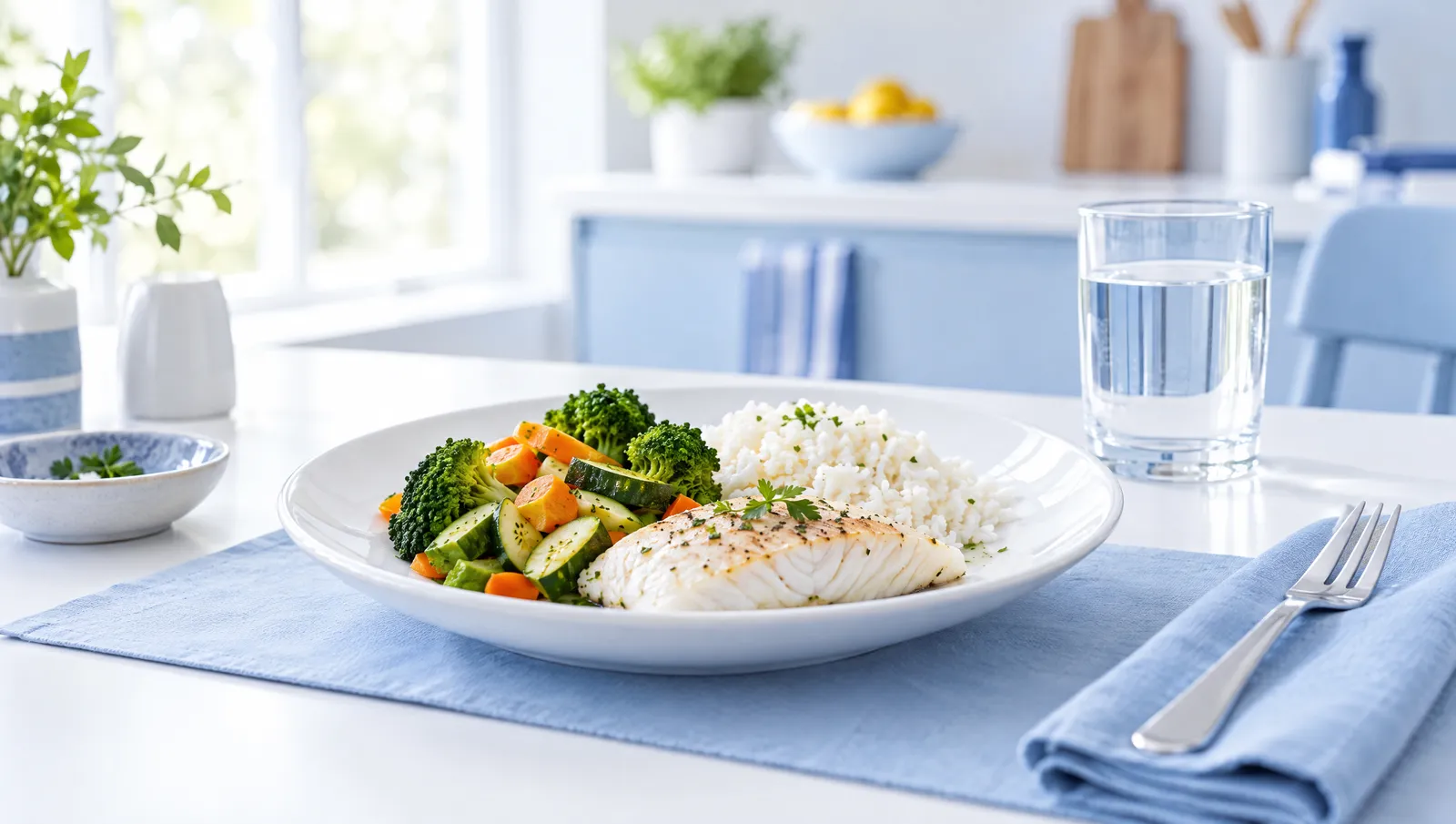
- choose boiled, braised, steamed or oven-baked dishes with little fat instead of fried food
- choose lean meat, for example chicken and turkey without the skin, and lean fish, for example hake
- have vegetables, rice, potatoes or pasta with your meal
- choose lower-fat dairy products and introduce them gradually
- add fat in small amounts, for example a teaspoon of oil in a dish
Fibre can help make your bowel movements more regular. Good sources are oats, barley, cooked vegetables and fruit. Fibre should be introduced gradually, over several weeks, because a sudden change can increase wind and cramps.
What to cut down on at first, and when can you return to your usual diet?
In the first weeks, some foods are more likely to cause bloating, cramps or diarrhoea. The usual advice is to cut down at first on:
- fried and breaded food, chips, burek and greasy pastries
- fatty meat, cured and smoked meats, sausages, bacon and pork crackling
- dishes made with a flour-based roux and a lot of fat, such as sarma (stuffed cabbage rolls) or bean stew with smoked meat
- full-fat cheeses, kajmak (clotted cream), soured cream and mayonnaise
- cream cakes and very sugary food
- hot and heavily spiced dishes
- large amounts of coffee and fizzy drinks
- alcohol, which should not be drunk while you are taking painkillers
This is not a lifelong ban. Most people return to their usual diet within a few weeks. Introduce fattier food slowly, one food at a time, and see how you tolerate it. If a particular food still regularly causes problems after several weeks, tell your surgeon or your GP.
Constipation, diarrhoea and bloating: what are bowel movements like after gallbladder removal?
In the first few days, bowel movements are often delayed. The anaesthetic, painkillers, moving around less and eating less all slow the bowel down. Walking, drinking enough fluids and gradually returning to your usual meals usually help. If you have not opened your bowels for several days, ask your surgeon for advice. If you are also not passing wind, if your abdomen is becoming more and more swollen and painful, or if you are vomiting, contact your surgeon without delay.
For some people, stools become looser and more frequent after the operation, especially after a fattier meal. The most common reason is that bile now flows into the bowel continuously. This change usually settles within a few weeks, but in some people it lasts a few months. Smaller meals, less fat and gradually introducing fibre usually help.
If the diarrhoea does not go away or is getting worse, or if you are losing weight or feel weak, contact a doctor. If you notice blood in your stools, if your stools are black, or if you have diarrhoea with a high temperature or signs of dehydration (severe thirst, passing little urine, dizziness), contact a doctor without delay. Ask a doctor for advice before taking any medicines or remedies for diarrhoea. The doctor will assess the cause of your symptoms and suggest treatment.
What is recovery like after gallbladder removal?
Pain around the small cuts is common in the first few days and usually eases day by day. Some patients also have shoulder pain, most often in the right shoulder. This pain comes from the gas used to inflate the abdomen during keyhole (laparoscopic) surgery and usually goes away within a few days. Walking helps the gas clear more quickly. Take painkillers as instructed in your discharge summary.
Keep the wounds clean and dry. Your surgeon will tell you when you can shower and how to change the dressings. Baths, swimming pools and swimming in the sea are usually put off until the wounds have fully healed. Some stitches dissolve on their own, while others are removed at the follow-up appointment.
Increase your walking gradually. Lifting anything heavier than about 5 kg and strenuous exercise are usually avoided for four to six weeks, and the exact timing is set by the surgeon. Only drive once you can do an emergency stop without pain and are not taking medicines that make you drowsy.
Returning to work: how long is sick leave after gallbladder removal?
After uncomplicated keyhole (laparoscopic) surgery, people usually return to lighter activities and office work after one to two weeks. For jobs that involve lifting, standing for long periods or heavy physical work, recovery takes longer. After conventional (open) or more complex surgery, the return to normal activities is usually later.
The length of sick leave is decided by a doctor, based on the type of work you do and how your recovery is going. Sick leave is usually issued by your chosen GP, with whom you are registered through Serbia's compulsory health insurance (RFZO), on the basis of the discharge summary and the surgeon's recommendation. So keep your discharge summary and test results and take them to your GP. Check with your GP before the operation whether they will issue sick leave on the basis of a discharge summary from a private hospital.
Problems after gallbladder removal: when to contact a doctor?
Contact your surgeon or seek emergency help without delay if you have any of the following:
- a temperature above 38 °C, shivering or chills
- severe abdominal pain or pain that is getting worse
- yellowing of the skin or the whites of the eyes, dark urine or pale stools
- persistent vomiting or being unable to drink fluids
- an abdomen that is becoming more and more swollen and hard, with no bowel movements and no wind
- blood in your stools or black stools
- redness, swelling, pus, bleeding or fluid leaking from a wound
- swelling, pain or cramping in the calf
- difficulty breathing or chest pain (in that case call an ambulance on 194)
What happens at the follow-up appointment after gallbladder removal?
The first follow-up appointment is usually seven to ten days after the operation, and at Maja Hospital you arrange the exact date with your surgeon, usually on discharge. At the appointment, the surgeon checks the wounds, removes stitches if needed and talks to you about your diet, bowel movements and returning to normal activities. The tissue report on the gallbladder (histopathology report) arrives later, and the surgeon explains it at a follow-up appointment once it is ready.
The general surgery price list shows the first post-operative surgeon follow-up, the surgeon follow-up appointment and stitch removal as separate items. Check when booking whether they are included in the price of the operation. The prices of the operation and follow-up appointments are shown in the table below.
The information in this text is general in nature and does not replace an examination by a doctor.