Gallstones: symptoms and when surgery is needed
Gallstones cause no complaints in many people and are found by chance, on an abdominal ultrasound. When they do cause symptoms, the most common one is an attack of pain in the upper right part of the abdomen or below the breastbone, often after a large meal or at night. Gallstones without symptoms are most often only monitored. Surgery is most often advised when a stone causes attacks of pain, inflammation of the gallbladder or complications in the bile ducts and pancreas. Whether surgery is needed is assessed by the surgeon after an examination and the ultrasound report.
What are gallstones and how do they form?
The gallbladder is a small, pear-shaped organ under the liver, on the right side of the abdomen. Between meals it stores bile, a fluid made by the liver that helps digest fats.
Gallstones (the medical term is cholelithiasis) form when the components of bile thicken and harden. Stones are most often made of cholesterol and less often of bile pigments. There may be one stone or several, and the size ranges from a grain of sand to a few centimetres.
Gallstones are more common in women, with age, with excess weight, after rapid weight loss, in pregnancy and when they run in the family. They can also occur in people with none of these factors.
What are the symptoms of gallstones?
A large number of people with gallstones have no complaints at all. The stone is then found by chance, on an ultrasound done for another reason.
When a stone does cause symptoms, the most common one is an attack of pain called biliary colic:
- the pain is in the upper right part of the abdomen or below the breastbone
- it can spread to the back, towards the right shoulder blade or the right shoulder
- it lasts from half an hour to several hours and then eases
- it often comes after a larger or fattier meal, or at night
- it may be accompanied by nausea and vomiting
Bloating, belching and heaviness after meals can occur with gallstones, but they are also caused by other conditions, for example stomach problems. That is why these complaints alone do not show that the gallbladder is the cause. The cause is assessed by a doctor, after an examination and test results.
How are gallstones found?
The basic examination is an abdominal ultrasound. It is painless, uses no radiation and shows the gallbladder, the stones in it and the appearance of its wall. For an abdominal ultrasound you most often come on an empty stomach, and you receive exact instructions when booking.
Along with the ultrasound, the doctor most often asks for blood tests. They can show signs of inflammation and whether the flow of bile is blocked.
When there is a suspicion that a stone has passed from the gallbladder into the bile ducts, the doctor may also ask for magnetic resonance imaging of the bile ducts (MRCP). The doctor decides which examinations are needed. The ultrasound report and test results are always interpreted by a doctor, together with the complaints and the examination.
When are gallstones only monitored?
Gallstones that cause no complaints are most often not operated on, but monitored. The exceptions are special cases assessed by the doctor.
Monitoring most often means that you know the warning signs and contact a doctor if attacks of pain appear. Whether and when follow-up examinations are needed is agreed with the doctor.
Gallstones most often do not disappear on their own. Diet, teas and herbal preparations do not dissolve a stone. Smaller and less fatty meals make attacks less frequent in some people, but the stone remains. Medicines for dissolving gallstones help only a smaller number of patients and work slowly, so the doctor decides about them.
When is gallbladder surgery needed?
Surgery is most often advised when a stone causes complaints or complications. The surgeon most often considers it in these situations:
- attacks of pain (biliary colic) that keep returning
- inflammation of the gallbladder (cholecystitis)
- a stone that has passed into the main bile duct and blocks the flow of bile
- inflammation of the pancreas caused by a stone
- a gallbladder polyp of a certain size
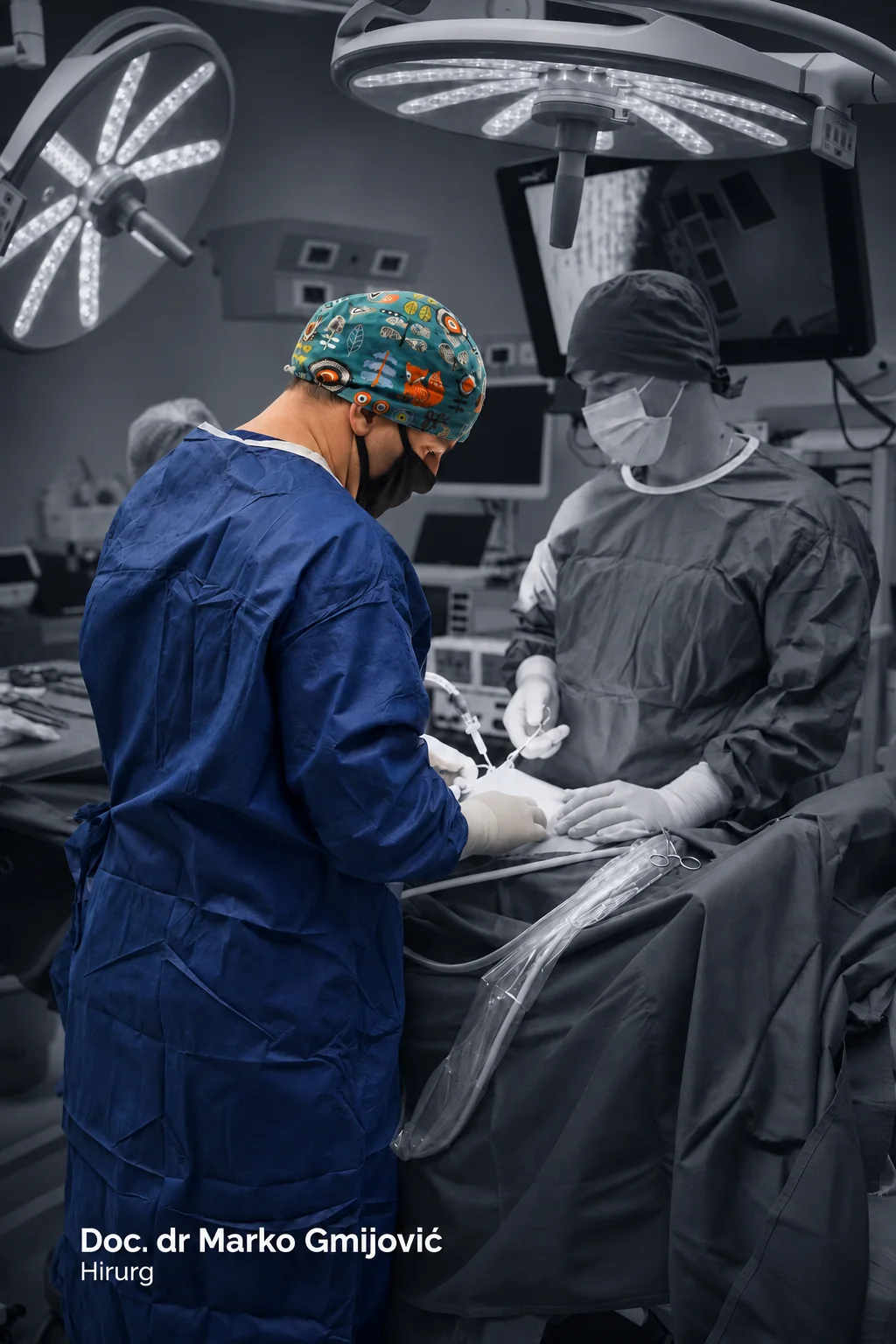
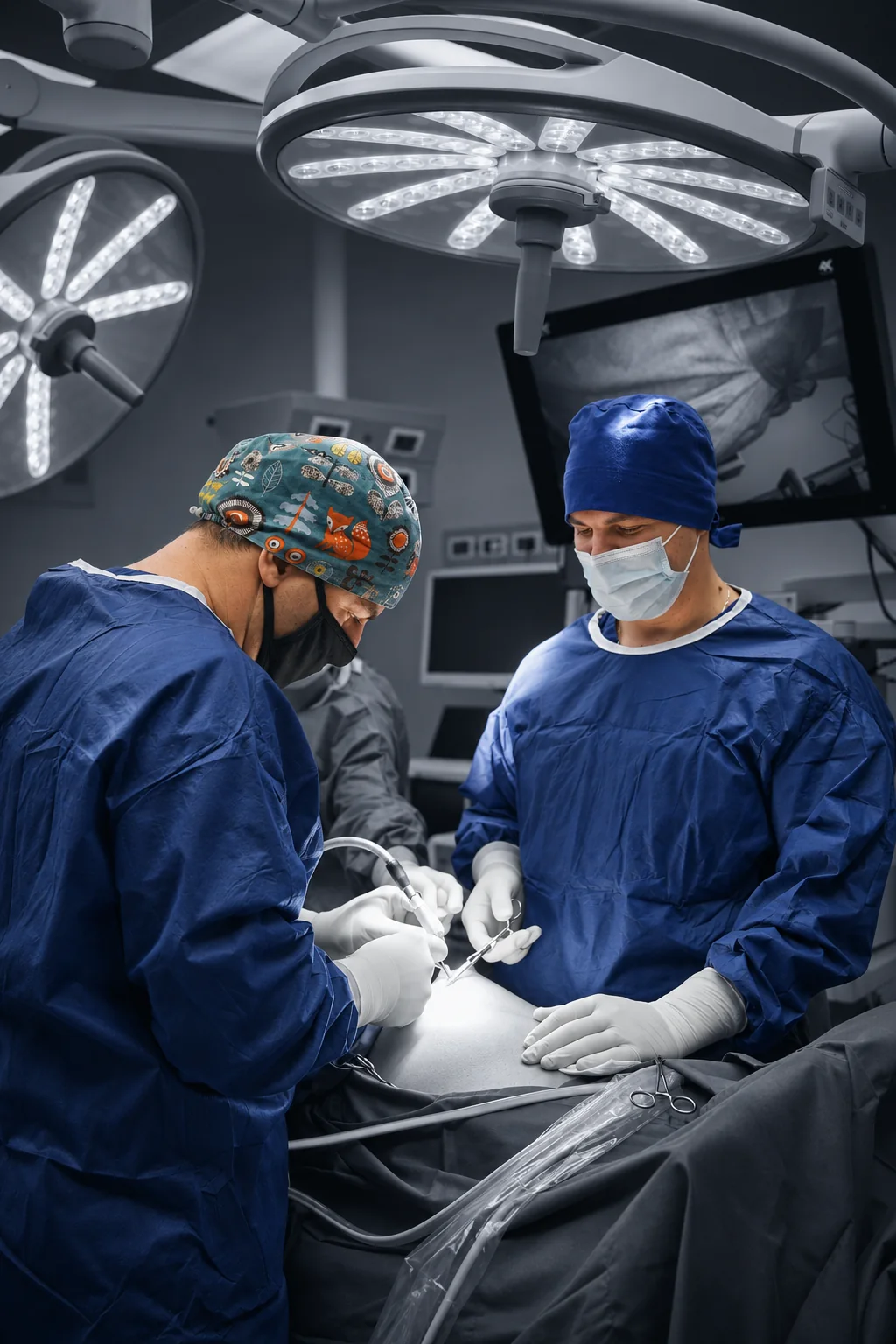
When surgery is needed, in usual surgical practice the whole gallbladder is removed, not only the stone. A gallbladder that has once formed stones remains prone to forming them again. The operation is most often done laparoscopically, through a few small incisions, and when that is not possible or not safe, by the open approach.
The patient makes the decision together with the surgeon, based on the examination, the abdominal ultrasound and blood tests. What the operation looks like is described on the procedure page, and diet and recovery after it in a separate article.
Which signs call for an urgent examination?
Some signs may point to inflammation of the gallbladder or to a stone blocking the bile ducts. In that case you do not wait for a booked appointment, but seek an urgent examination:
- strong pain in the upper abdomen that does not pass even after several hours
- fever, shivering or chills along with the pain
- yellowing of the skin or the whites of the eyes
- dark urine or pale stools
- persistent vomiting
In that case call the emergency medical service on 194 or go to the nearest emergency department.
What does the surgeon's examination at Maja Hospital look like?
Bring the abdominal ultrasound report, blood tests if you have them and your earlier medical records to the surgeon's examination. It is useful to write down when the attacks of pain occurred, how long they lasted and after what kind of meal. Also bring a list of the medicines you take regularly.
The surgeon talks with you about your complaints, examines you and reviews the results. After that the surgeon explains whether surgery is needed or monitoring is enough, and which other examinations are required.
Abdominal ultrasound and magnetic resonance imaging of the bile ducts are done at Maja Radiology, and blood tests in the laboratory. The prices of the surgeon's examination, abdominal ultrasound and gallbladder operations are shown in the table below.
The information in this text is general in nature and does not replace an examination by a doctor.