Tests before surgery: which ones are done and how to prepare
Which tests are needed before a planned operation is decided by the doctor. Most often these are a complete blood count, blood clotting tests and basic biochemistry, and, depending on age, health and the type of procedure, an ECG or an examination by an internal medicine specialist. Blood is usually taken in the morning, fasting, with plain water allowed. The surgeon gives you the list of tests at the consultation and tells you how recent the results must be. The laboratory performs the tests, and a doctor interprets the results.
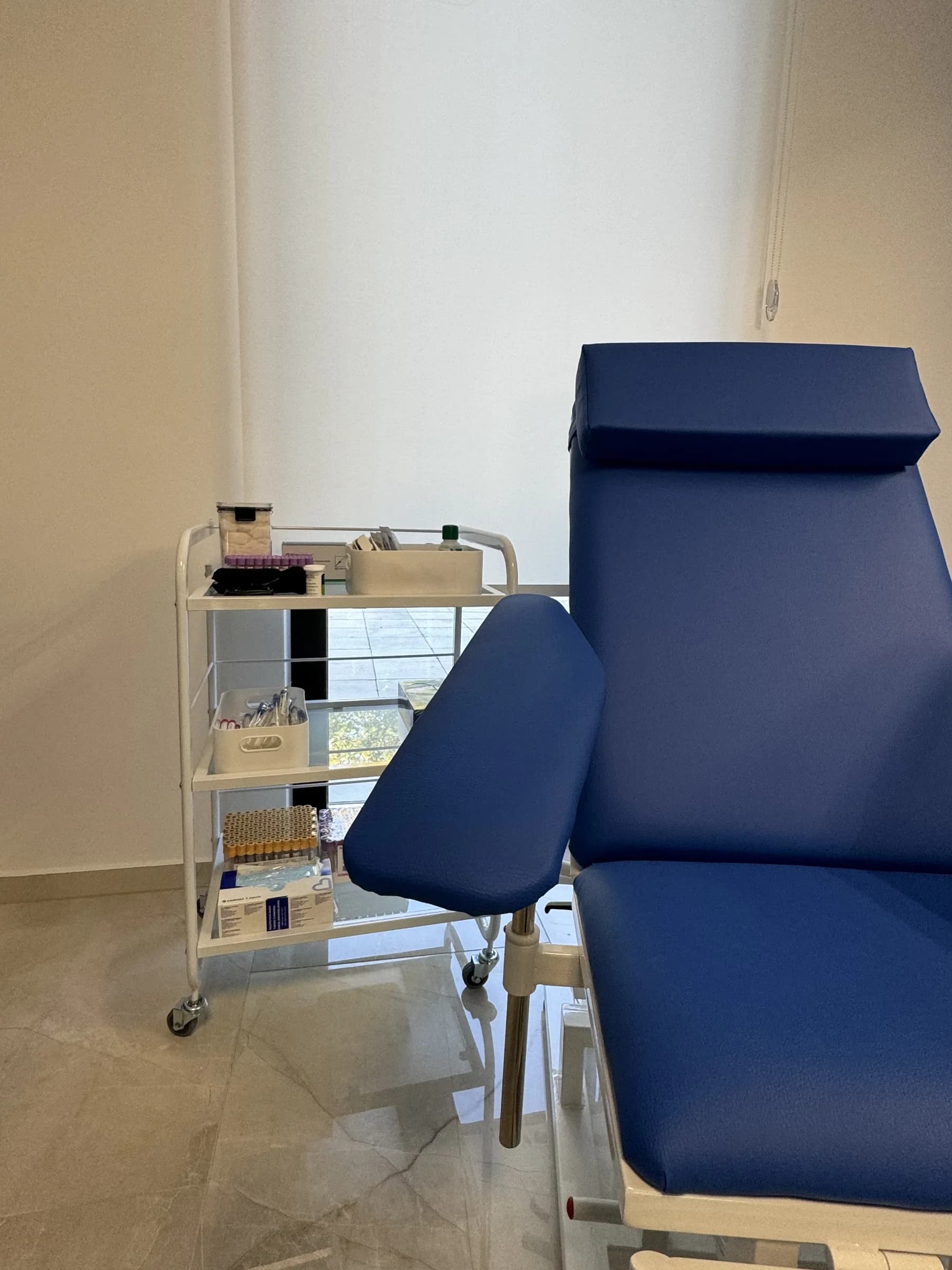
Which tests are most often done before surgery?
The list of tests is not the same for every patient. The doctor sets it according to the type of procedure, the type of anaesthesia, and the patient's age and health. The most commonly requested tests are:
- Complete blood count: measures the number of red and white blood cells and platelets, as well as haemoglobin and haematocrit.
- Blood clotting tests: prothrombin time (PT, INR) and APTT, and sometimes fibrinogen.
- Basic biochemistry: for example glucose (blood sugar), urea and creatinine, and, if the doctor considers it necessary, liver enzymes and electrolytes.
- Blood group and Rh factor, when the doctor requests them.
- Urinalysis, when the doctor requests it.
This is a general overview, not the list for your procedure. For some procedures the doctor requests fewer tests, and for patients with chronic conditions additional ones. Wait for the list you receive at the consultation and have exactly those tests done.
Why are tests done before surgery?
The tests help the surgeon and the anaesthesiologist plan the operation and the anaesthesia around your health.
- The blood count can point to anaemia or to signs of infection and inflammation.
- Clotting tests show how long it takes for the blood to clot, which matters for every surgical procedure.
- Urea and creatinine reflect how the kidneys are working, and liver enzymes reflect the liver.
- Glucose shows the blood sugar level.
If a result is outside the expected range, that does not in itself mean the operation will not take place. The doctor then decides whether the test should be repeated, whether an additional examination is needed, or whether treatment should be started first. Do not interpret the results yourself. Reference ranges differ from one laboratory to another, and the doctor reads the results together with the examination and your symptoms.
Who sets the list of tests and when should they be done?
At the consultation, the doctor performing the procedure (a surgeon, urologist or gynaecologist) explains the procedure. If you decide to have the operation, you receive a list of the tests and reports you need to bring. Ask then how recent the results must be, because tests done too far in advance may have to be repeated.
If the procedure is done under analgosedation, spinal or general anaesthesia, the anaesthesiologist also reviews the results. The anaesthesiologist asks about your illnesses, medication, allergies and previous anaesthesia, and on that basis proposes the type of anaesthesia.
A practical order:
- First, the consultation with the doctor performing the procedure and the list of tests.
- Then the tests, within the period the doctor told you.
- At the preoperative examination the surgeon checks the results.
- If a result is missing or late, contact the hospital before the day of admission, not at admission.
Say at the first consultation if you take blood-thinning medication.
How to prepare for the blood draw before surgery
Tests before surgery are mostly done from a single blood draw, so it is simplest to come in the morning, fasting.
The day before the tests:
- Avoid alcohol and fatty, heavy food.
- Avoid strenuous physical effort.
- Have a light dinner.
On the day of the tests:
- Come fasting, most often 8 to 12 hours after your last meal.
- Drink only plain water.
- Leave coffee, tea, juices and cigarettes until after the blood draw.
- Bring the list of tests you received from the doctor and a list of the medicines you take.
Do not stop your regular medication on your own because of the blood draw. Tell the laboratory staff which medicines and food supplements you take, because some can affect the results. If you use insulin or tablets for diabetes, agree on the morning dose with your doctor in advance, because blood sugar can drop too low while fasting.
Detailed guidance on water, coffee and medication is in the article on preparing for a blood test, linked at the bottom of this page.
Clotting tests and blood-thinning medication
Clotting tests (PT, INR, APTT) are done on a blood sample taken from a vein. The same preparation applies: fasting, at least 8 hours without food, with plain water allowed. The day before, avoid alcohol, fatty food and strenuous physical effort.
Blood-thinning medication directly affects these results. If you take it:
- Tell the laboratory staff before the blood draw, and tell the doctor who will operate on you.
- Do not stop it or change the dose yourself. Whether and when the medicine is stopped or replaced before surgery is decided by the doctor.
- The doctor may ask for the blood to be taken at a specific time in relation to the last dose.
Also mention food supplements and herbal preparations, including those containing vitamin K, because they too can affect blood clotting.
How is a urine sample given?
If urinalysis is also on the list, the sample is most often the first morning urine, midstream, after morning hygiene:
- Wash your hands and the external genital area.
- Pass the first part of the stream into the toilet.
- Collect the midstream part in a clean urine container.
- Close the container tightly and bring the sample to the laboratory as soon as you can.
If the doctor also requests a urine culture, the sample is given in a sterile container and before starting antibiotics. If you are already taking an antibiotic, tell the laboratory and the doctor.
ECG, internal medicine examination and imaging
Besides laboratory tests, the doctor may request other reports. Depending on age, health and the type of procedure, these are most often an ECG or an examination by an internal medicine specialist, and for some procedures an ultrasound or other imaging.
If you are treated for a chronic condition, for example heart, lung or thyroid disease, or diabetes, bring the latest report from your specialist as well. The anaesthesiologist may ask for a more recent opinion.
The laboratory is located in the Maja Hospital building, at Vizantijski bulevar 39 in Niš, and the tests mentioned in this article are in the laboratory price list. Ask when booking where you can have the tests, ECG and imaging for your procedure done.
What to do with the results
Put all results in one folder and bring them to the preoperative examination and on the day of admission:
- Laboratory results, all pages.
- ECG and the internal medicine report, if requested.
- Imaging with the report, and the images on a disc if you have one.
- Earlier discharge summaries and specialist reports.
- A list of medicines with doses and a list of allergies.
If you see a value marked as high or low on a result, do not change your medication yourself and do not wait until the day of the operation to contact the doctor. Contact the hospital and ask whether the doctor should see the result earlier.
For what else to pack for the day of admission, read the article on what to bring to hospital for an operation.
The information in this text is general in nature and does not replace an examination by a doctor.