Umbilical and epigastric hernia in adults: when surgery is needed and what recovery looks like
An umbilical hernia is a bulge at the belly button, and an epigastric hernia is a bulge in the middle of the abdomen, between the belly button and the breastbone. In adults these hernias usually do not go away on their own, so after an examination the surgeon assesses whether and when surgery is needed. The general surgery price list of Maja Hospital in Niš includes umbilical and epigastric hernia repair under local anaesthetic, under sedation and under general anaesthetic. The surgeon and the anaesthetist decide on the method and type of anaesthetic, and recovery depends on the size of the hernia and the type of procedure.
What is an abdominal wall hernia?
A hernia develops when fatty tissue or part of the bowel pushes out of the abdominal cavity through a weak spot or opening in the abdominal wall. From the outside it can be seen or felt as a soft bulge. It is often more obvious when coughing, straining or standing, and it may get smaller or disappear when lying down.
Abdominal wall hernias are named after where they develop:
- Inguinal hernia, in the groin.
- Umbilical hernia, at or next to the belly button.
- Epigastric hernia, in the middle of the abdomen above the belly button.
- Ventral hernia, in the front abdominal wall, including hernias at the site of an earlier incision (incisional hernias).
The general surgery price list of Maja Hospital has separate items for each of these types.
Umbilical or epigastric hernia: what is the difference?
An umbilical hernia is at the belly button itself or right next to it. In adults it is more common with increased pressure inside the abdomen, for example with excess body weight, after pregnancy, with a long-lasting cough or frequent straining.
An epigastric hernia develops in the middle of the abdomen, above the belly button, through a weak spot in the midline of the abdominal wall. It is often small, and sometimes there are several, one above the other.
In both types it is usually fatty tissue that pushes through the opening, and less often part of the bowel. Separation of the abdominal muscles along the midline (diastasis) is not the same as a hernia. The surgeon determines what it is by examination and, if needed, ultrasound.
When does a surgeon recommend surgery?
A hernia in adults usually does not go away on its own and cannot be closed with medicines or exercise. A support belt may ease discomfort, but it does not close the opening in the abdominal wall.
The surgeon usually considers surgery when:
- the hernia causes pain or discomfort,
- the hernia is getting bigger,
- there is a risk that the contents of the hernia become trapped.
For a small hernia without symptoms the surgeon sometimes suggests monitoring. The decision is made after an examination, taking into account general health and the medicines you take. If you are planning a pregnancy, tell the surgeon at the examination.
How is the operation done and which anaesthetic is used?
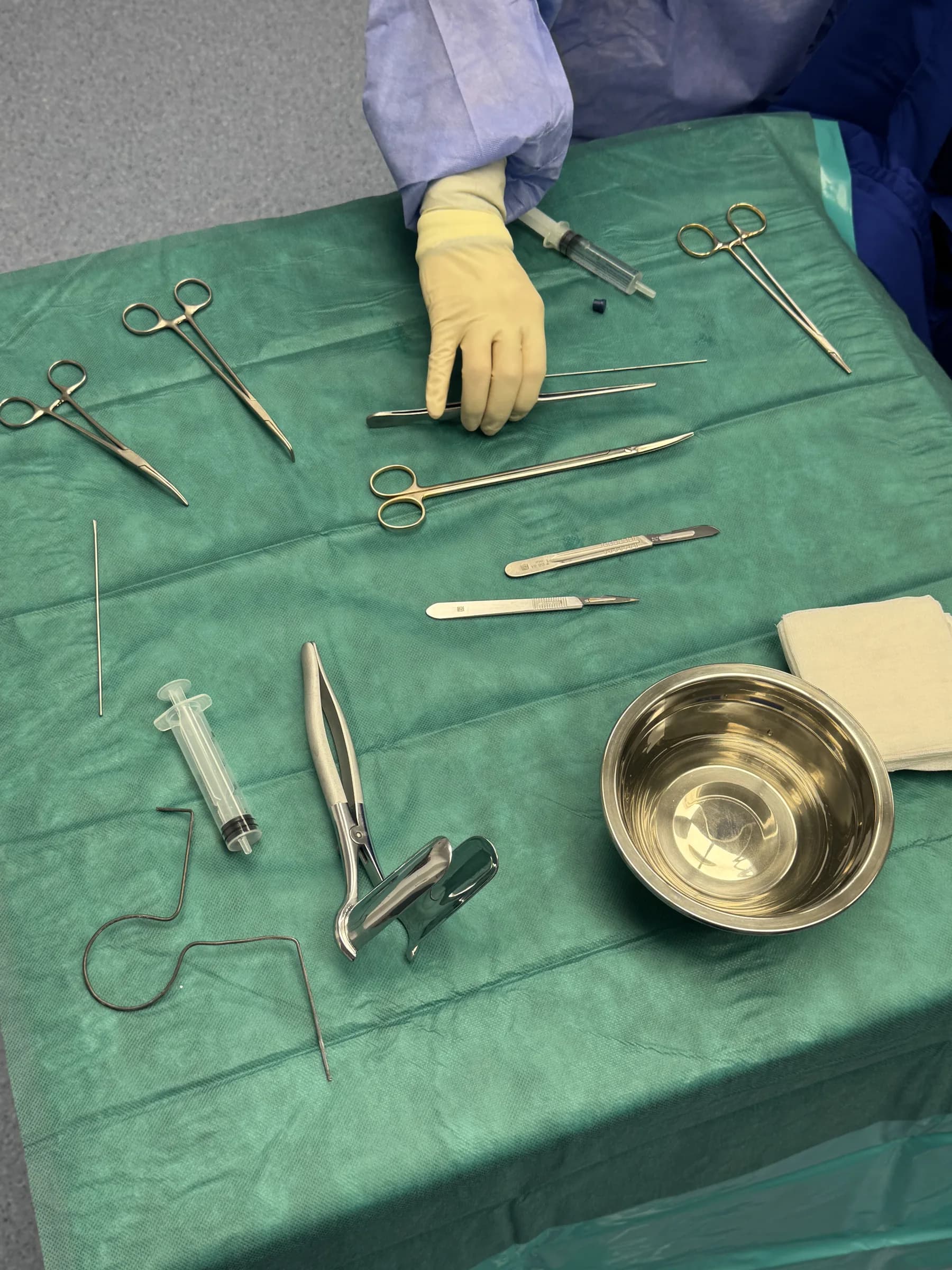
In general terms, the surgeon pushes the contents of the hernia back into the abdominal cavity and closes the opening in the abdominal wall with stitches or with a mesh. This depends on the size of the opening and the findings during surgery. The operation is usually open, through a cut over the hernia. For some abdominal wall hernias, most often larger ones, laparoscopic (keyhole) surgery through several small cuts is also possible.
The general surgery price list of Maja Hospital includes these items:
- umbilical hernia repair under local anaesthetic,
- umbilical or epigastric hernia repair under sedation,
- umbilical and epigastric hernia repair under general endotracheal anaesthesia.
For larger abdominal wall hernias the price list has separate items for ventral hernia repair. Which method and anaesthetic the surgeon and anaesthetist suggest depends on the size of the hernia, body build and general health.
How to prepare for surgery?
An examination by the surgeon is needed before surgery. Depending on the type of anaesthetic, the surgeon and the anaesthetist decide which tests and examinations are needed. Before the procedure it helps to:
- Tell the doctor which medicines you take regularly, especially blood thinners and medicines for blood pressure and diabetes. Do not stop any treatment on your own, only as the doctor advises.
- Mention any allergies and previous operations.
- Follow the instructions on how many hours before the procedure you should not eat or drink.
- Arrange for someone to drive you home after the procedure.
See the separate article on this site about what to bring to hospital.
What does recovery look like?
Recovery depends on the size of the hernia, the method and the type of anaesthetic, so it differs from person to person. The surgeon decides how long you stay in hospital. In general:
- Pain and discomfort around the wound are strongest in the first days and gradually ease. Take painkillers as the doctor advises.
- Walking from the first days helps recovery. Staying in bed all day is not recommended.
- Lifting heavier loads and strenuous effort are avoided for several weeks. The surgeon sets the exact time.
- Keep the wound clean and dry and shower according to the discharge instructions.
- At the check-up the surgeon examines the wound and removes stitches if needed.
When coughing or getting up, it helps to support the wound gently with your hand.
When to contact a doctor without delay?
Before surgery, urgent examination is needed if the hernia becomes hard and painful, cannot be pushed back, the skin over it turns red, or if there is also nausea, vomiting, bloating or no passing of wind or stool. These can be signs of a trapped (incarcerated) hernia. In that case call the emergency service on 194 or go to the nearest emergency department.
After surgery contact the surgeon if you get a fever, redness, swelling or pus in the wound, bleeding that does not stop, or pain that gets worse instead of better.
The information in this text is general in nature and does not replace an examination by a doctor.