Hiatal hernia: what it is and when surgery is considered
A hiatal hernia develops when part of the stomach moves from the abdomen into the chest through an opening in the diaphragm. It is often linked to reflux, when stomach acid flows back into the oesophagus, but many people have no symptoms at all. Treatment usually starts with lifestyle changes and medicines, and a surgeon considers an operation when symptoms persist despite treatment, when the hernia is large or when there are complications. At Maja Hospital in Niš hiatal hernia repair is done as open or laparoscopic surgery, and the surgeon chooses the method after an examination and test results.
What is a hiatal hernia?
The diaphragm is the muscle that separates the chest from the abdomen. The oesophagus passes through an opening in it (the hiatus) and joins the stomach. When this opening is widened, part of the stomach can move upwards into the chest. This is called a hiatal hernia. In Serbian it is commonly called a stomach hernia.
The hernia may be small and slide up and down, or larger, with a bigger part of the stomach permanently in the chest. It becomes more common with age, with excess body weight and with conditions that increase pressure inside the abdomen.
How is it related to reflux?
At the junction of the oesophagus and the stomach there is a natural barrier that stops acid from flowing upwards. When part of the stomach moves into the chest, this barrier works less well, so some people develop reflux.
Reflux is usually felt as heartburn, a burning feeling behind the breastbone, or as acid and food coming back into the mouth, more often after a large meal and when lying down. Still, not everyone with a hiatal hernia has reflux, and not all reflux is caused by a hernia. Chest pain should always be checked by a doctor, as it can have other causes, including the heart.
How is it diagnosed?
A hiatal hernia is usually found during examination for reflux or by chance, on imaging done for another reason. The doctor may request a gastroscopy, an examination of the oesophagus and stomach with a thin camera, or an X-ray of the oesophagus and stomach after drinking a contrast liquid. Further tests are sometimes needed before deciding on surgery.
Bring all earlier results to the surgeon's examination, together with a list of medicines you take and information on how long the symptoms have lasted and what eases them.
How is it treated without surgery?
Most people with a small hernia and milder symptoms start treatment without surgery. The doctor usually advises:
- smaller, more frequent meals instead of large ones,
- not lying down for at least a few hours after eating,
- slightly raising the head of the bed,
- losing weight if it is increased,
- stopping smoking and drinking less alcohol.
The doctor may also prescribe medicines that reduce stomach acid. Take them as the doctor has advised.
When is surgery considered?
The surgeon usually considers surgery when:
- reflux symptoms persist despite regular treatment,
- the person does not tolerate medicines or does not want to take them long term,
- the hernia is large and causes symptoms, such as difficulty swallowing or feeling full after a small amount of food,
- there are complications, such as inflammation or narrowing of the oesophagus, or bleeding.
The decision is made after an examination and a review of test results, taking general health into account. Sudden severe chest or abdominal pain, vomiting with inability to swallow, or vomiting blood need urgent examination. In that case call the emergency service on 194 or go to the nearest emergency department.
What does the operation involve?
In general terms, the surgeon brings the part of the stomach back from the chest into the abdomen, narrows the widened opening in the diaphragm and reinforces the junction of the oesophagus and stomach to reduce acid reflux. The operation is done under general anaesthetic.
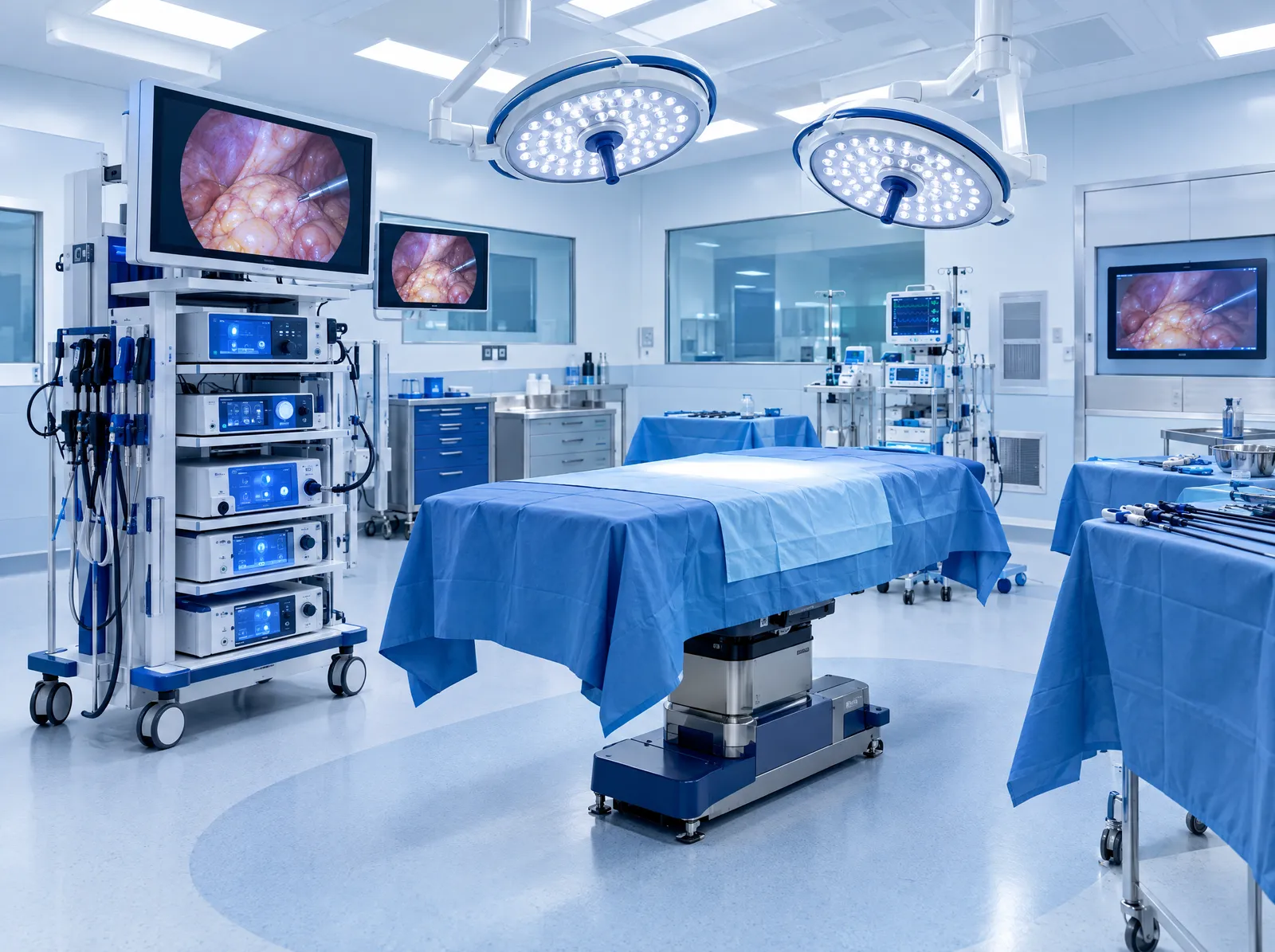
The general surgery price list of Maja Hospital has two items: hiatal (diaphragmatic) hernia repair and laparoscopic hiatal (diaphragmatic) hernia repair. Laparoscopic surgery is done through several small cuts with a camera, and open surgery through a larger cut. Which method the surgeon suggests depends on the size of the hernia, previous operations and general health. After surgery the surgeon gives instructions on diet and activity, and softer food in smaller portions is often eaten at first.
The information in this text is general in nature and does not replace an examination by a doctor.