Skip to content
Bolnica MajaBOLNICA
Maja BeautyBEAUTYBody

Dermolipectomy (removal of excess skin) in Niš

Removal of excess skin and the fat beneath it when body weight is stable. The surgeon decides on the area and extent after a consultation.

Dermolipectomy

At a glance

Procedure
Removal of excess skinand the fat beneath it
Anaesthetic
usually General
Condition
Stable body weightnot a way to lose weight
Scar
A longer scarposition depends on the area
Facts and description

Dermolipectomy is the surgical removal of excess skin and the fat beneath it, for example after major weight loss or after pregnancy. It is not a way to lose weight and is recommended when body weight is stable. At Maja Hospital, Vizantijski bulevar 39 in Niš, the procedure is carried out by specialists in plastic and reconstructive surgery, usually under general anaesthetic, and the surgeon decides on the area and extent after a consultation.

All facts

Procedure
Surgical removal of excess skin and the fat beneath it
When considered
For example after major weight loss or pregnancy, when body weight is stable
Area
The surgeon decides on the area and extent after a consultation
Anaesthetic
Usually general. The surgeon and anaesthetist decide on the type.
Scar
A longer scar remains, its position depends on the area
Price
The dermolipectomy item is in the price table on this page. The surgeon confirms the final price after a consultation.

When the procedure is usually considered

  • Excess skin after major weight loss
  • Loose skin after pregnancy
  • Skin that forms folds, causes irritation or gets in the way of movement
  • Body weight is stable

What the procedure cannot do

  • The procedure is not a way to lose weight
  • A longer permanent scar remains
  • Weight gain or pregnancy can change the result

The path to the procedure

  1. Step 1: Plastic surgery consultation

    The surgeon talks about your reasons and expectations, examines the area and explains the options.

  2. Step 2: Plan and preparation

    The method, anaesthetic and tests are agreed. With general anaesthesia or sedation you are also seen by an anaesthetist.

  3. Step 3: Day of the procedure

    After admission the surgeon explains the procedure once more, and you sign a consent form.

  4. Step 4: After the procedure

    You receive instructions for wound care and dressings; the surgeon decides on the length of stay.

  5. Step 5: Follow-up

    At the follow-up the surgeon checks healing, removes stitches when needed and discusses scar care.

Dermolipectomy: prices

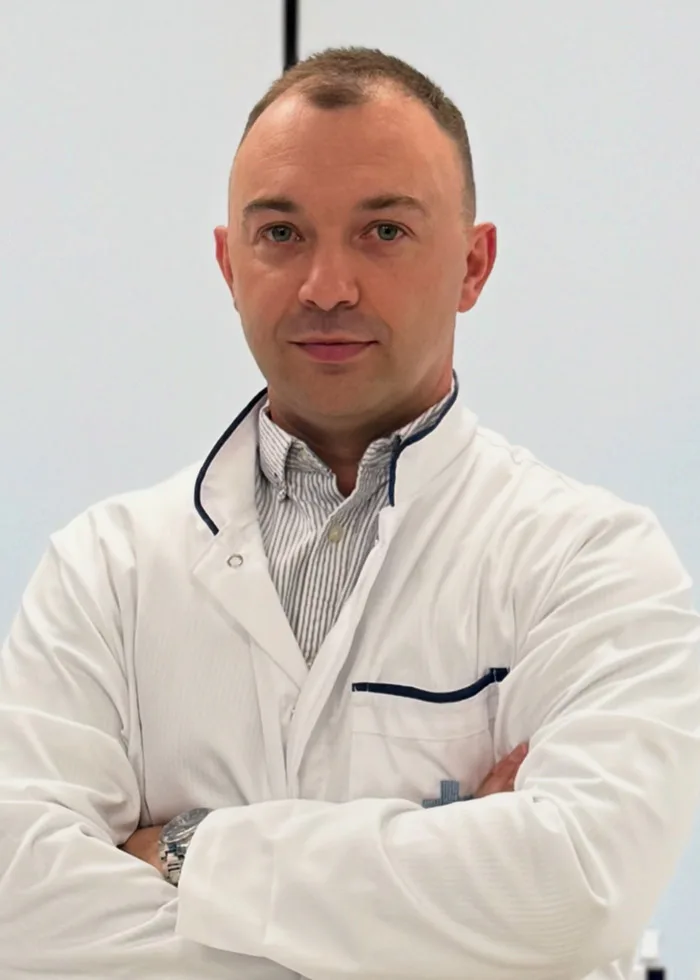
Our specialists

Recovery

  • Swelling, bruising and tenderness in the treated area are expected in the first days and gradually subside.
  • Take pain relief as advised by the surgeon.
  • Keep the wound clean and dry and change the dressing as instructed after the procedure.
  • Stitches, unless they are dissolvable, are removed at the follow-up appointment, on a date set by the surgeon.
Show 3 more: Recovery
  • A scar matures over months; the surgeon explains scar care and sun protection at the follow-up.
  • Exercise, sport and returning to work are agreed with the surgeon, depending on the procedure.
  • Contact the surgeon without delay if you develop a temperature, redness, warmth or pus at the wound, bleeding that does not stop with pressure, or pain and swelling that get worse.

How to prepare

  • Have the tests that the surgeon and anaesthetist ask for, usually a blood count, biochemistry, clotting tests and an ECG.
  • Tell the doctor about allergies and medicines, and do not change blood thinners or diabetes medicines on your own.
  • Do not eat or drink before the operation, exactly as instructed by the hospital.
  • Stop smoking as early as possible before the operation.
Show 2 more: How to prepare
  • Bring your ID card, health insurance card, results, a list of medicines and loose, comfortable clothes.
  • Arrange for someone to accompany you and to help at home for the first days after the operation.

When to contact the surgeon

Contact the surgeon without delay if after the procedure you have:

  • A temperature of 38 °C or higher, or shivering
  • Redness, warmth or pus at the wound
  • Bleeding that does not stop with pressure
  • Pain or swelling that gets worse

Call the emergency service (194) if:

  • You have difficulty breathing or chest pain
  • You have severe swelling of the face, lips or tongue

In detail

What is dermolipectomy?

Dermolipectomy is the surgical removal of excess skin and the fat beneath it. After major weight loss or pregnancy the skin sometimes stays loose and does not tighten on its own, and excess skin can form folds, cause irritation or get in the way of movement. It is not a way to lose weight and is recommended when body weight is stable.

Dermolipectomy, tummy tuck and abdominoplasty: the terms

When excess skin is removed from the abdomen, this is commonly called a tummy tuck, or abdominoplasty, which sometimes also includes tightening the abdominal muscles. Dermolipectomy is a broader term for removing excess skin and fat. The plastic surgeon decides and explains after a consultation which area is operated on and what exactly the procedure includes in your case.

Frequently asked questions

How much does dermolipectomy cost in Niš?

The dermolipectomy item is in the price table on this page and in the Maja Hospital plastic and aesthetic surgery price list. The surgeon confirms the final price and what it includes after a consultation.

Is dermolipectomy the same as a tummy tuck?

Not exactly. A tummy tuck (abdominoplasty) removes excess skin from the abdomen, sometimes with tightening of the abdominal muscles. Dermolipectomy is a broader term for removing excess skin and fat.

Does dermolipectomy help with weight loss?

No. The procedure is not a way to lose weight and is recommended when body weight is stable.

← Plastic, reconstructive and aesthetic surgery

The information in this text is general in nature and does not replace an examination by a doctor.

Book an appointment: Dermolipectomy

Information on this website does not replace a medical examination. Treatment is decided by a doctor after the examination.